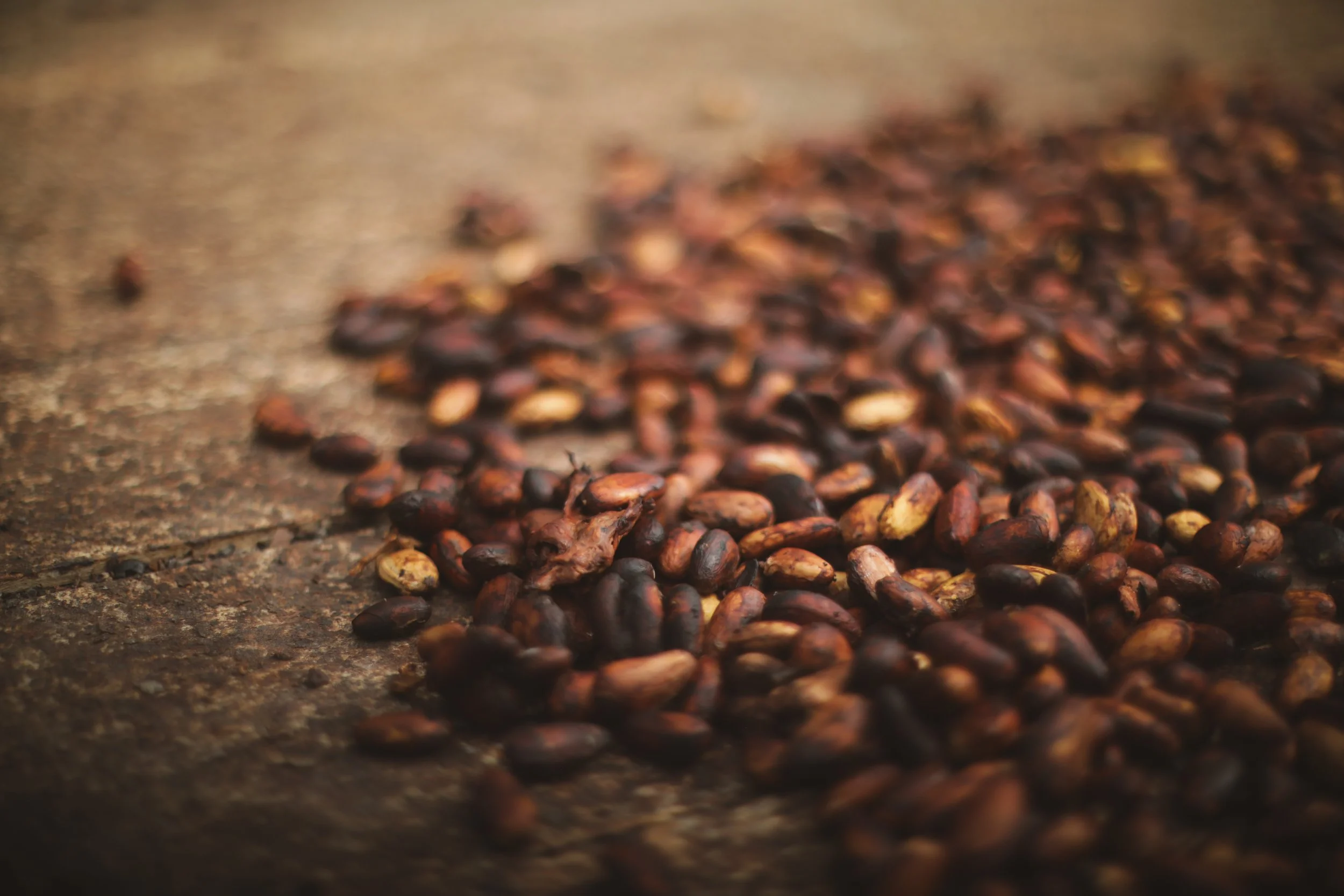
Cacao & Chocolate FAQ
Answers to common questions about cacao, chocolate, tasting, tree-to-bar production, and Caribbean cacao culture in Puerto Viejo, Costa Rica.
Understanding Cacao
What is cacao?
Cacao is the seed of a tropical fruit that grows on the cacao tree. It takes 6 months to grow a cacao fruit and there are about 40 seeds per fruit. After harvesting, the seeds are fermented, dried, roasted, and processed into chocolate. Cacao has been cultivated and used culturally, ceremonially, and as food for thousands of years throughout Central and South America.
What’s the difference between cacao and cocoa?
Generally speaking, “cacao” is often used to describe less processed forms of chocolate or the raw agricultural ingredient itself, while “cocoa” is more commonly associated with processed commercial chocolate products. In general, the terms are often used interchangeably depending on the region. In the Americas, cacao is more appropriate as it comes from the Nahuatl language, spoken by the Mexican and Aztec peoples.
What is tree-to-bar chocolate?
Tree-to-bar chocolate refers to chocolate made by producers working closely with cacao from the beginning of the process — from the cacao tree all the way through fermentation, roasting, and on to chocolate making — small-batch production, commitment and passion for the tree and her forest. At Cacao Huasi we work with tree to bar makers.
Why does chocolate taste fruity?
Chocolate naturally contains hundreds of aromatic compounds. Fruit notes can develop through cacao variety, fermentation, climate, soil, and roasting. Some Caribbean cacaos naturally express flavors resembling berries, citrus, tropical fruit, or dried fruit. Some are more nutty, caramel and some taste like black olives or coffee!
Why can chocolate taste different from batch to batch?
Cacao, like coffee, wine, mezcal and so many others is shaped by weather, harvest conditions, fermentation, drying, roasting, and seasonal variation. Even chocolate made from the same farm can taste noticeably different from one fermentation batch to another. we never know what flavors will pop up in a batch - cacao is very linked to context. The cacao from the Caribbean tastes very different from cacao from Honduras or Mexico.
Caribbean Cacao
Why is Caribbean cacao special?
Cacao from Costa Rica’s Caribbean coast is shaped by a perfect lowland tropical climate, heavy rainfall, biodiversity, fermentation practices, and generations of farming knowledge connected to the region. Many chocolates from this area naturally express bright fruit notes, floral aromas, earthy depth, and complex natural acidity.
What makes Puerto Viejo cacao unique?
Around Puerto Viejo and the wider Talamanca region, cacao is deeply connected to local culture, farming traditions, food, storytelling, and community life. Small makers work closely with local farms and seasonal harvests, allowing the flavor of the cacao itself to remain expressive and distinct. Almost all of the chocolate makers are producing 2 kilo batches of chocolate at a time, so it varies enormously. This also means that we can be creative and adaptable to changes in the flavors.
What is Afro-Caribbean cacao culture?
Afro-Caribbean farmers have been working with cacao on Costa Rica’s Caribbean coast since the 1820s. Much of the cacao knowledge, farming traditions, and trees that shape the region’s chocolate culture today come from generations of Afro-Caribbean dedication, labor, and relationship with the land. This history remains deeply connected to the identity of cacao in Puerto Viejo and the surrounding Caribbean communities.
Is Costa Rican chocolate considered high quality?
Yes. Costa Rica has become increasingly recognized for high-quality small-batch chocolate and tree-to-bar cacao production. The country’s biodiversity, climate, and growing network of independent makers have helped establish a strong reputation for exciting and carefully crafted chocolate. Caribbean lowland cacao from Costa Rica also has a higher fat content, making for some very creamy and rich mouthfeel and textures.
Why do local chocolates taste so different from one another?
Even within the same region, flavor can change dramatically depending on cacao variety, fermentation style, roasting, drying conditions, and the philosophy of each chocolate maker. Small-batch chocolate often reflects these differences much more clearly than industrial chocolate production. Length and method of fermentation, harvesting philosophies, who stirs the cacao: it all plays a role in how the finished chocolate tastes.
Chocolate Making & Fermentation
What is cacao fermentation?
Fermentation is one of the most important stages in chocolate making. After cacao pods are opened, the beans and fruit pulp ferment for several days., usually 5-7 days. During this process, heat, yeast, bacteria, and natural sugars begin transforming the flavor of the cacao. The antibiotic content and mineral content drops a little, but the aromas, tastes and fat soluble chemicals increase (are more biologically available). Cacao has always been fermented, but there is a growing interest in unfermented cacao. Chichi Chocolate makes an excellent unfermented bar which is dark purple from the natural color of the fresh bean. Recent research has deduced what many tree to bar makers already understood about the difference between fermented and fresh cacao.
Fermentation helps develop many of the fruity, floral, earthy, and complex notes later found in chocolate.
Why is cacao roasted?
Roasting helps deepen flavor, reduce bitterness, and develop aroma in chocolate. Different makers roast cacao differently depending on the style of chocolate they want to create.
Some makers use lighter roasting to preserve bright fruit notes, while others roast darker to create deeper, richer chocolate profiles. Chocolate is Medicine uses unroasted cacao. While Choco Creek prefers a dark fire roasted cacao. Both work well.
What are cacao nibs?
Cacao nibs are pieces of cracked cacao beans after the shell has been removed. They are pure cacao with no sugar added and can taste earthy, fruity, bitter, roasted, or nutty depending on processing and origin.
How is chocolate made from bean to bar?
The basic process usually includes roasting, cracking, winnowing, grinding, refining, and tempering cacao into chocolate. Small bean-to-bar makers handle these steps themselves in small batches. We do it everyday at Cacao Huasi and offer classes in making chocolate using these traditional techniques.
Why does fermentation matter so much for flavor?
Fermentation can dramatically influence how chocolate tastes. Small changes in timing, temperature, airflow, weather, or fruit quality can affect acidity, fruit notes, bitterness, aroma, and overall complexity — changing noticeably from one fermentation batch to another.
Can chocolate be made without roasting?
Yes. Some makers work with unroasted cacao to preserve brighter fruit notes and more delicate aromatic qualities naturally present in the cacao. Unroasted chocolate can taste very different from traditionally roasted chocolate. Our very own Chocolate is Medicine uses unroasted cacao for her bars.
Tasting & Flavor
What are chocolate tasting notes?
Chocolate tasting notes are the natural flavors and aromas people perceive in cacao and chocolate. Depending on the cacao and how it is processed, chocolate may express notes resembling berries, citrus, tropical fruit, nuts, caramel, honey, spices, flowers, coffee, earthy mineral or dried fruit.
These flavors are naturally developed through genetics, climate, fermentation, roasting, and processing — not from added flavorings. Developing the palate can open up so many nuanced experiences in tasting chocolate. It’s like wine or coffee, or mezcal.
Why does some chocolate taste floral or fruity?
Certain cacao varieties naturally produce aromatic compounds that can resemble fruit or flowers. Fermentation also plays a major role in developing these flavors. Caribbean cacao often expresses bright tropical fruit, citrus, and floral characteristics when carefully processed.
Can chocolate taste like wine or coffee?
Yes. Like wine or coffee, chocolate reflects origin, climate, fermentation, roasting, and craftsmanship. Different chocolates can vary dramatically in acidity, body, aroma, sweetness, bitterness, and finish depending on how the cacao is grown and processed.
Why does chocolate pair well with rum?
Rum and chocolate share many of the same flavor worlds: fruit, spice, caramel, wood, roasted notes, and natural sweetness. Aging in rum and fermentation in cacao both create layers of complexity that can complement or contrast one another beautifully during tasting.
Why can dark chocolate taste less bitter than expected?
Bitterness in chocolate depends on many factors beyond cacao percentage alone. Fermentation, roasting style, sugar balance, fat content, cacao variety, and processing all influence how smooth, acidic, fruity, or bitter a chocolate tastes.
Why do some chocolates have brighter flavors than others?
Lighter roasting, careful fermentation, fresh harvests, and certain cacao varieties can preserve brighter fruit and acidity in chocolate. Some makers intentionally emphasize these qualities, while others prefer deeper roasted and more traditional chocolate profiles.
What is milk chocolate?
Milk chocolate combines cacao with sugar and milk, creating a creamier, softer, and sweeter chocolate profile. Depending on the maker, milk chocolate can still express complex cacao flavors including caramel, fruit, nuts, spice, or floral notes beneath the creaminess.
At Cacao Huasi, we work with non dairy, using ingredients like yucca or sweet potato to create different textures and flavor profiles.
What is white chocolate?
White chocolate is made from cacao butter — the natural fat of the cacao bean — combined with sugar and usually milk. Unlike dark or milk chocolate, it does not contain cacao solids, which is why it lacks the darker chocolate flavor and color most people associate with chocolate.
Good white chocolate can still carry delicate notes of vanilla, caramel, tropical fruit, honey, or fresh dairy depending on the cacao butter and ingredients used.
At Cacao Huasi, Chocolate is Medicine uses sweet potato with cacao butter and sugar to make white chocolate.
Experiences at Cacao Huasi
What happens during the chocolate class?
Guests explore chocolate makingfrom cacao bean to finished bar through tasting, roasting, grinding, and hands-on chocolate making using local Caribbean cacao. The experience combines practical chocolate making with cacao history, flavor, and tasting.
Do I need previous chocolate or tasting experience?
Not at all. The experiences are designed to be approachable for beginners while still interesting for people already passionate about chocolate, food, or fermentation.
What happens during the rum & chocolate pairing?
Guests explore how local Caribbean chocolate interacts with aged Botran rum through guided tastings focused on aroma, flavor, texture, fermentation, aging, and cacao origin.
What can I learn during the cacao farm tour?
The cacao farm tour explores cacao cultivation, harvesting, fermentation, flavor, Afro-Caribbean cacao traditions, and the history of cacao on Costa Rica’s Caribbean coast through the perspective of Victor of Wolaba Chocolate, a fifth-generation cacao farmer and former chef.
Are the experiences suitable for families?
Yes. Most experiences are relaxed, educational, and suitable for curious travelers of many ages.
Do I need to reserve in advance?
Yes. Advance booking is strongly recommended, especially during busy travel periods and weekends.
Exploring Caribbean Cacao in Puerto Viejo
From cacao farms and tree-to-bar chocolate makers to tastings, workshops, and fermentation, Puerto Viejo offers travelers a unique opportunity to experience cacao close to its source. Along Costa Rica’s Caribbean coast, chocolate becomes more than a product — it becomes part of the landscape, culture, history, and everyday life of the region.