Learn About Cacao
Chocolate is the final chapter of a much longer story.
It begins with a tree that has been cultivated for thousands of years, shaped by forests, climate, people, fermentation, and craft. Along the way, science, history, agriculture, flavour, and tradition become woven together into every bar.
Whether you're simply curious about chocolate, planning a visit to Cacao Huasi, or looking to deepen your understanding of cacao, this collection of articles is designed to help you explore one question at a time.
This isn't a blog in the traditional sense. It's a growing field guide to cacao—written one question at a time. There is no single path through cacao. Start wherever your curiosity leads you.
Start Here
New to cacao? Begin with these articles.
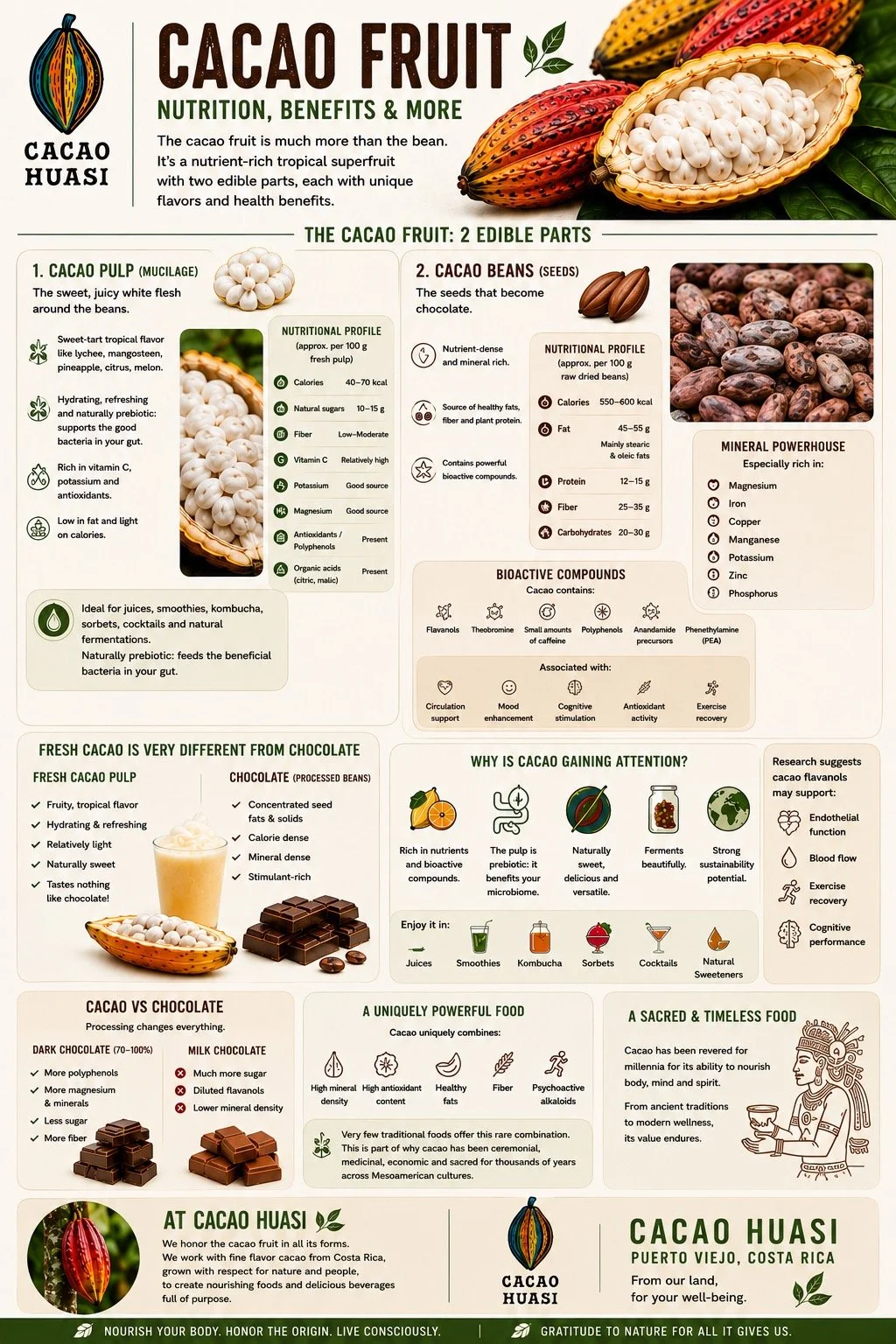
What Is Cacao?
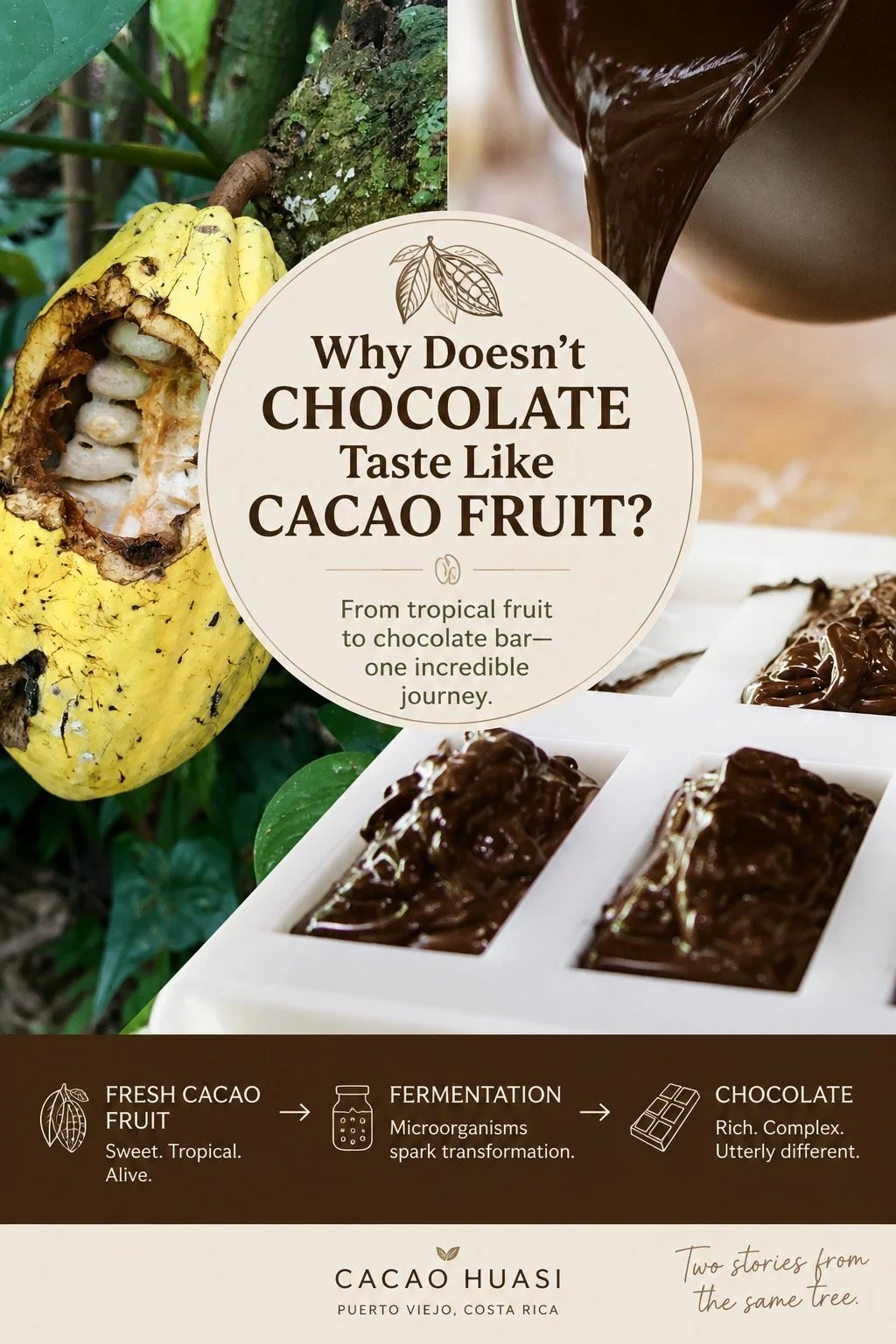
Why Chocolate Doesn't Always Taste Like Chocolate (future)
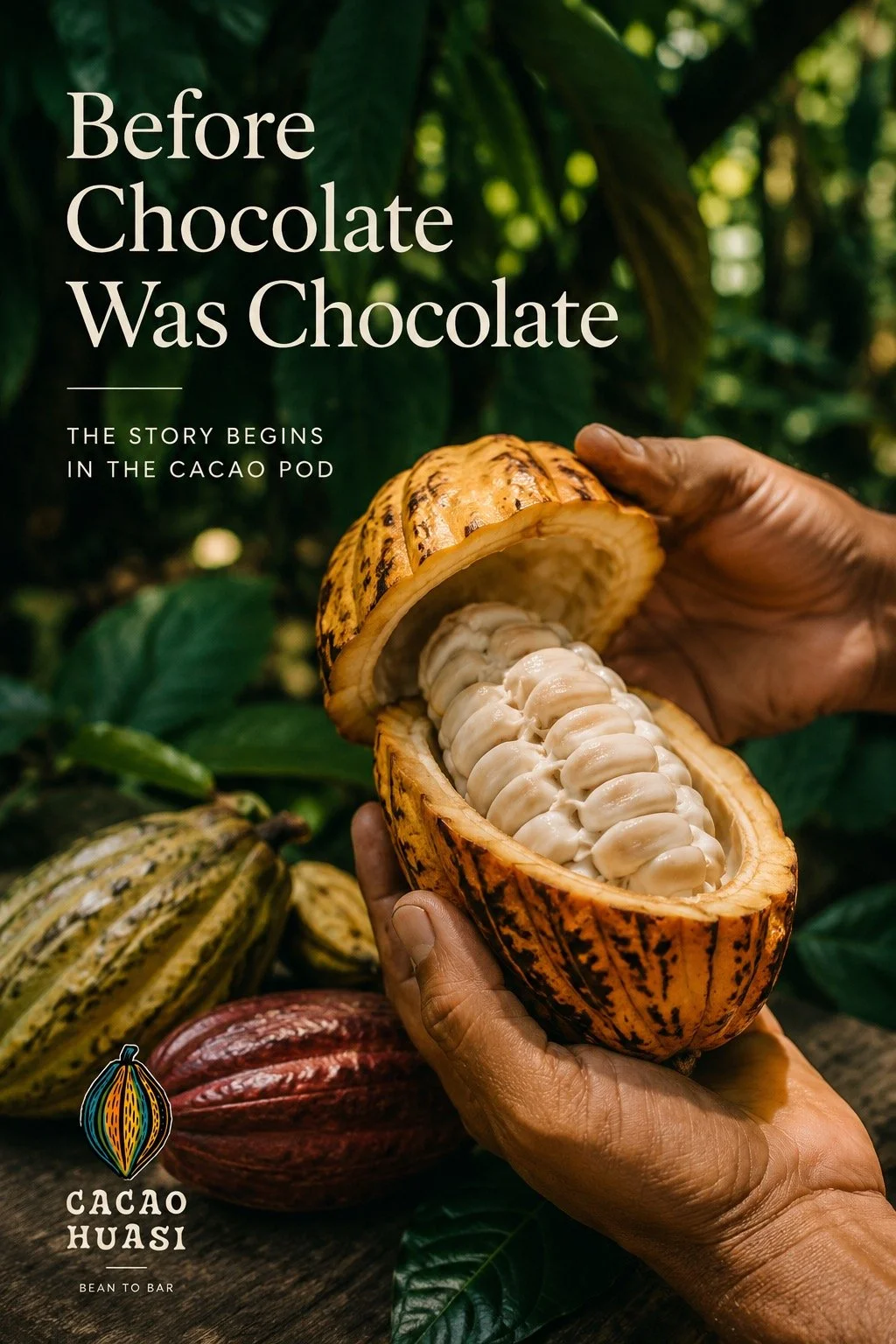
Growing Cacao
Discover the tree, its varieties, genetics, and the people who cultivate it.
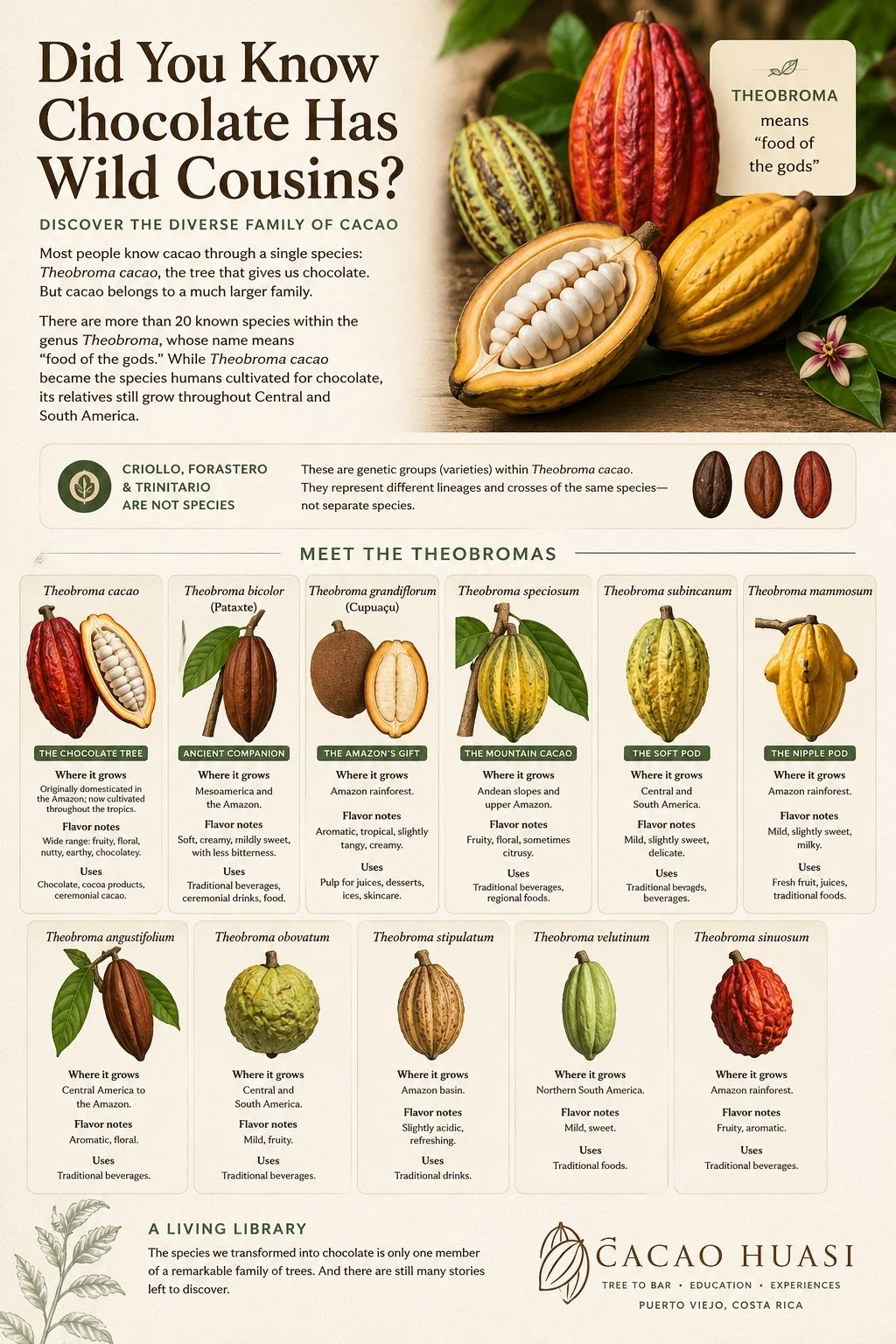
What Is Cacao?
The Remarkable Diversity of Peruvian Cacao (article drops mid August)
What Are Cacao Varieties?
How Cacao Trees Grow
From Flower to Pod
Harvesting Cacao
Agroforestry and Cacao
Making Chocolate
Follow the transformation from fresh cacao to finished chocolate.
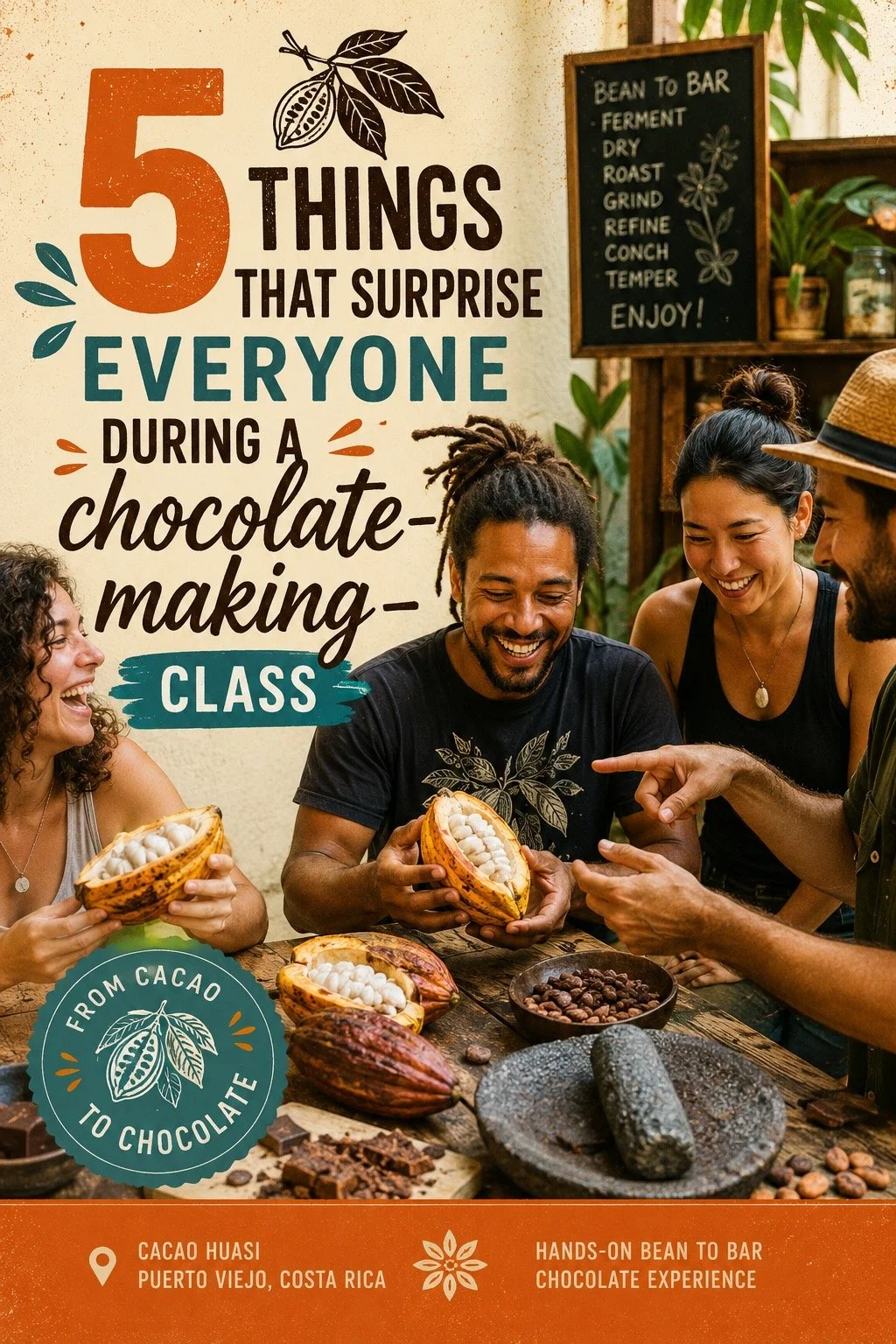
5 Things You’ll Learn at a Chocolate Making Class (drops beginning of August)
What Happens During Cacao Fermentation? (future — based on our recent discussion)
Drying Cacao (future)
Roasting Chocolate (future)
Winnowing (future)
Grinding Chocolate (future)
Refining & Conching (future)
Tempering Chocolate (future)
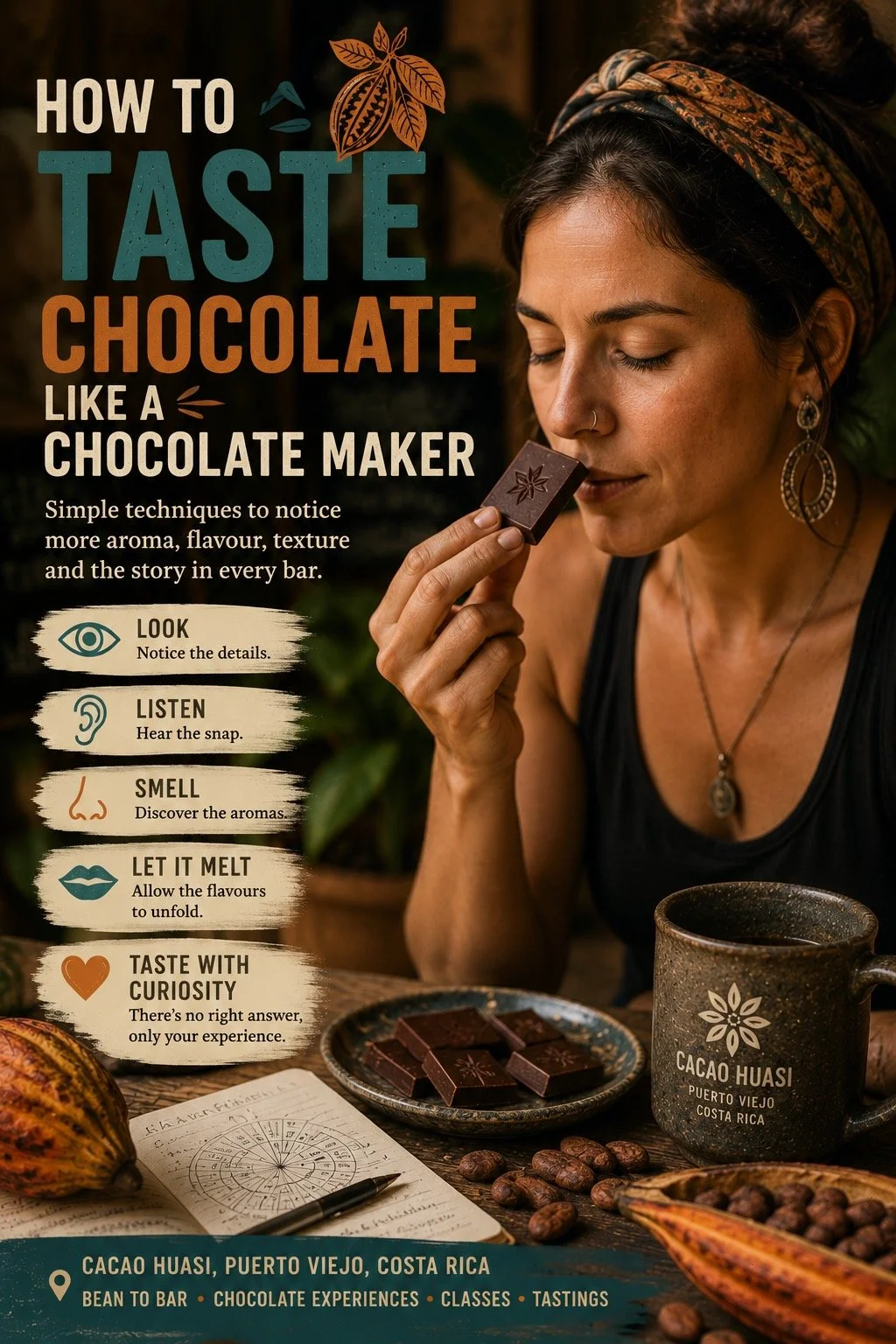
Tasting Chocolate
Learn how to taste, compare, and appreciate bean-to-bar chocolate.
Understanding Chocolate Flavour Notes (future)
Why Every Chocolate Maker Creates Different Chocolate (future)
Why Chocolate Changes with Origin (future)
History & Culture
Explore the people, traditions, and stories that have shaped cacao for thousands of years.
Ancient Cacao Traditions (future)
The History of Chocolate in Costa Rica (future)
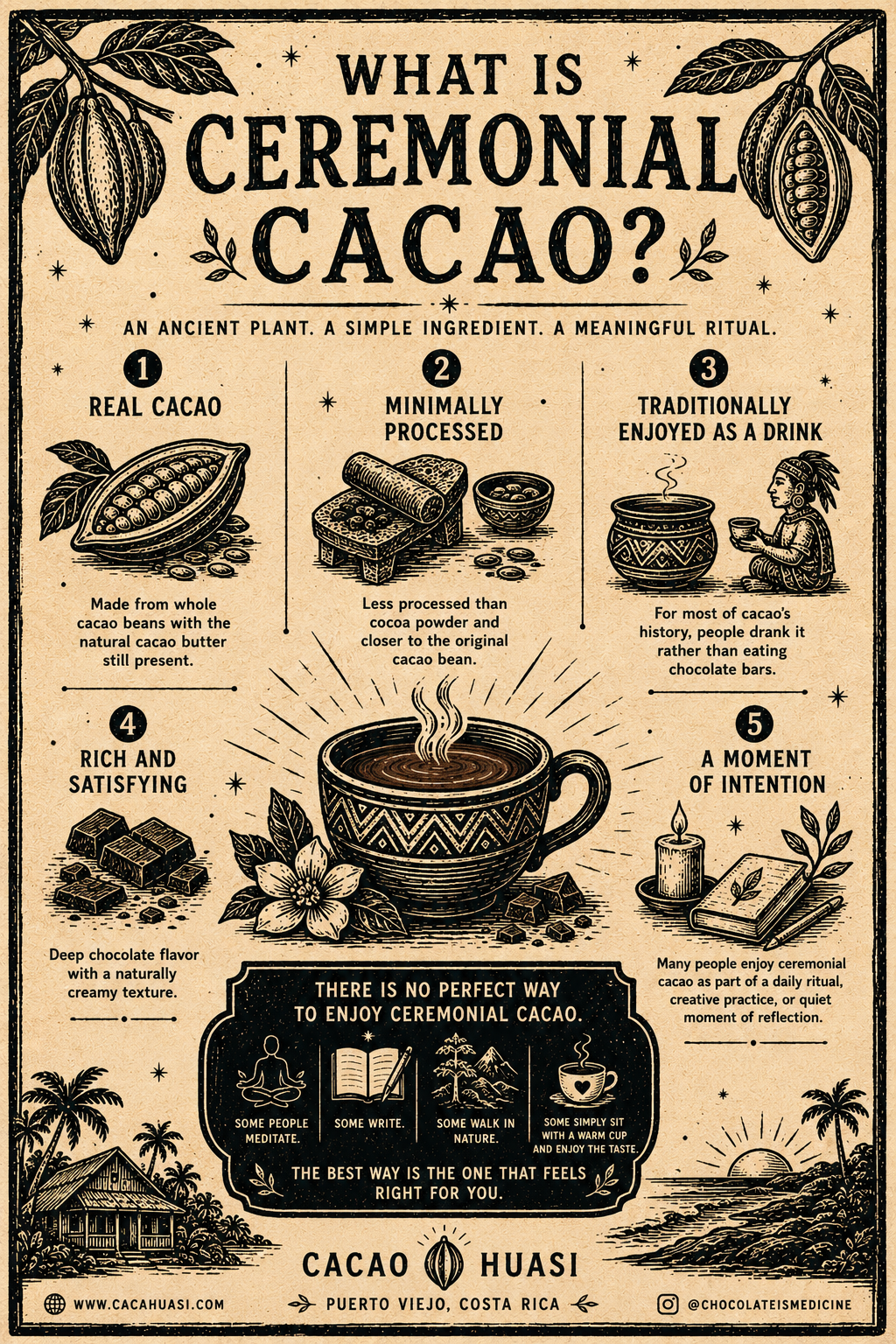
Ceremonial Cacao: History and Modern Practice
Why We Share Other Chocolate Makers' Bars
...
Sustainability & Innovation
How cacao farming continues to evolve through biodiversity, whole-bean thinking, and responsible production.
Cacao Shells: An Overlooked Part of the Bean (future)
Whole Bean Chocolate (future)
Agroforestry and Biodiversity (future)
Sustainability in Bean-to-Bar Chocolate (future)
Zero-Waste Chocolate Making (future)...
Experience Cacao
Ready to move from reading to tasting? Join us in Puerto Viejo for hands-on chocolate experiences.
Continue Exploring
Learning about cacao doesn't end with reading. These guides answer common questions and point toward places where you can experience cacao for yourself.