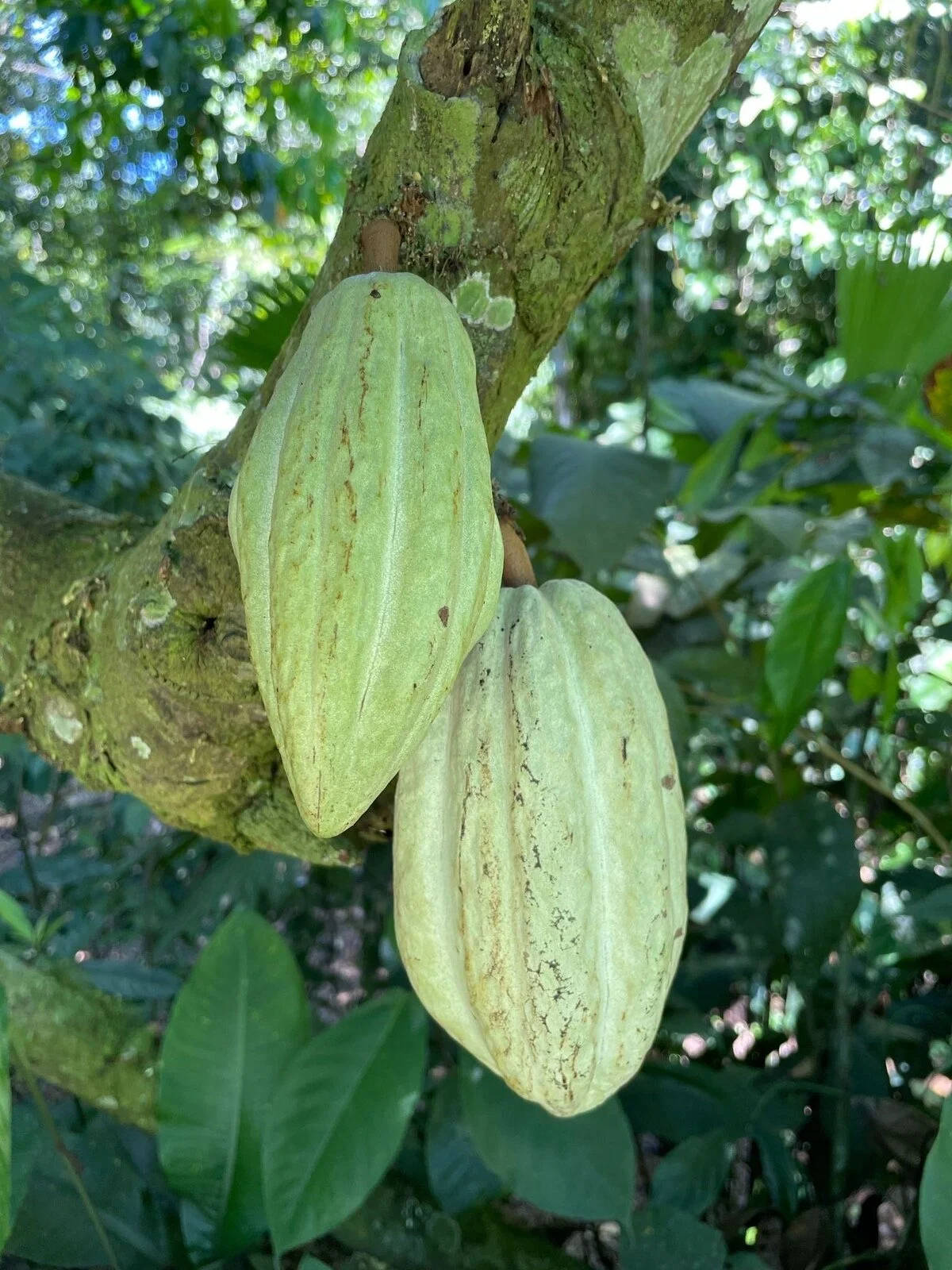
Are Old Cacao Trees Really the Problem?
The idea that old cacao trees must be replaced has become widely accepted. But is the problem really the age of the tree—or the way we manage cacao forests? Recent research and centuries-old trees suggest a more nuanced story.
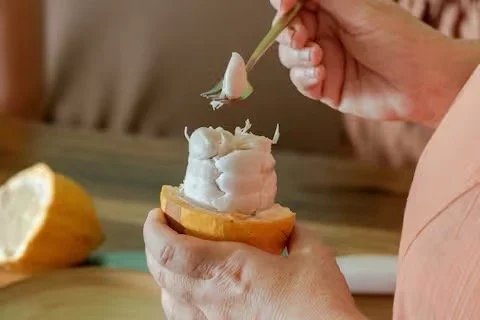
Chocolate Is the Record of Everything That Happened to the Tree
Every piece of chocolate tells the story of the cacao tree that produced it. From sunlight and rainfall to fermentation and roasting, each stage leaves its mark. Learn how chocolate becomes a record of everything that happened to cacao long before it reached your hands.
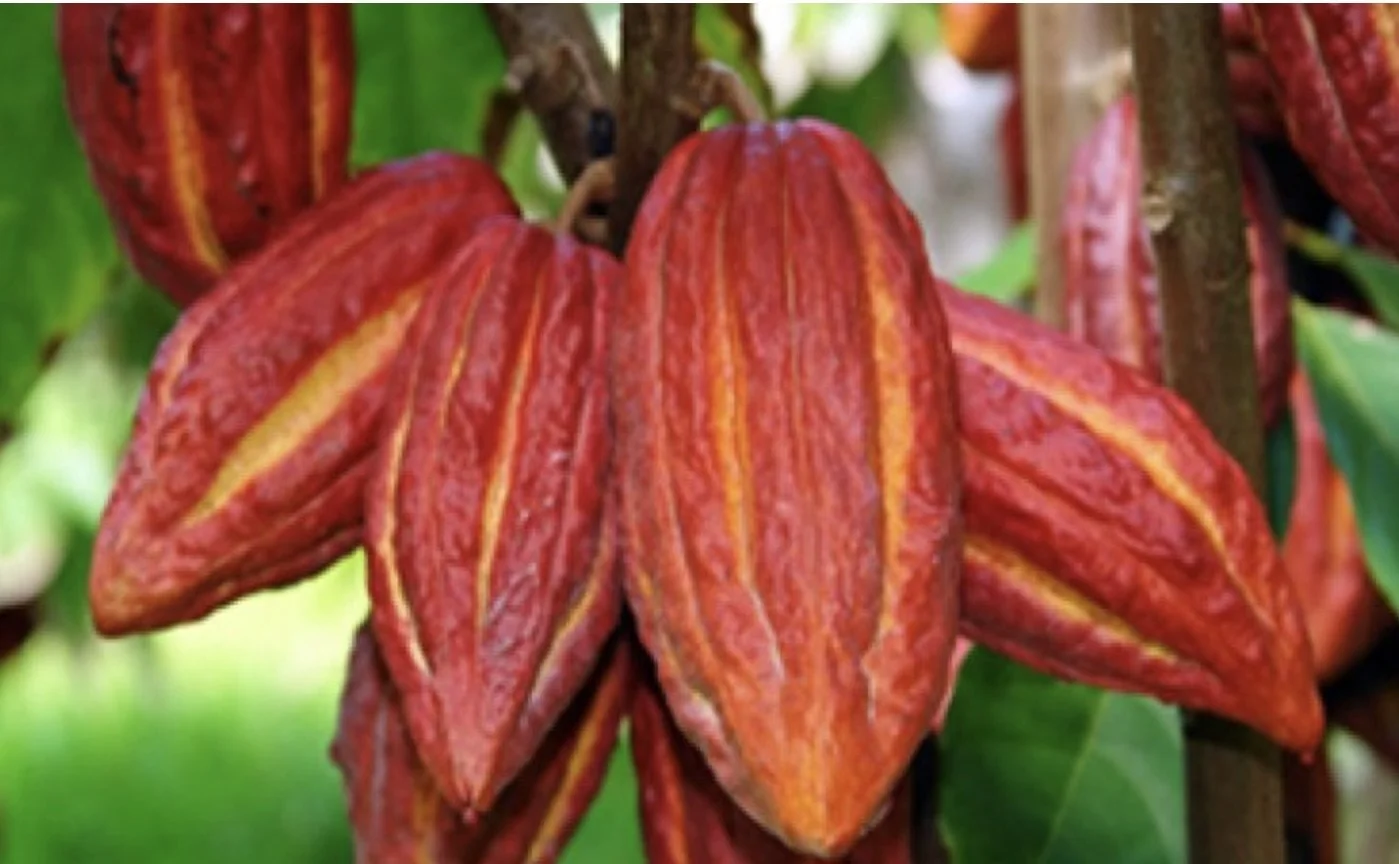
CCN-51: What Do We Ask a Cacao Tree to Be?
CCN-51 has been praised for its productivity and criticised for its flavour. But perhaps the more interesting question is what we actually need a cacao tree to do.
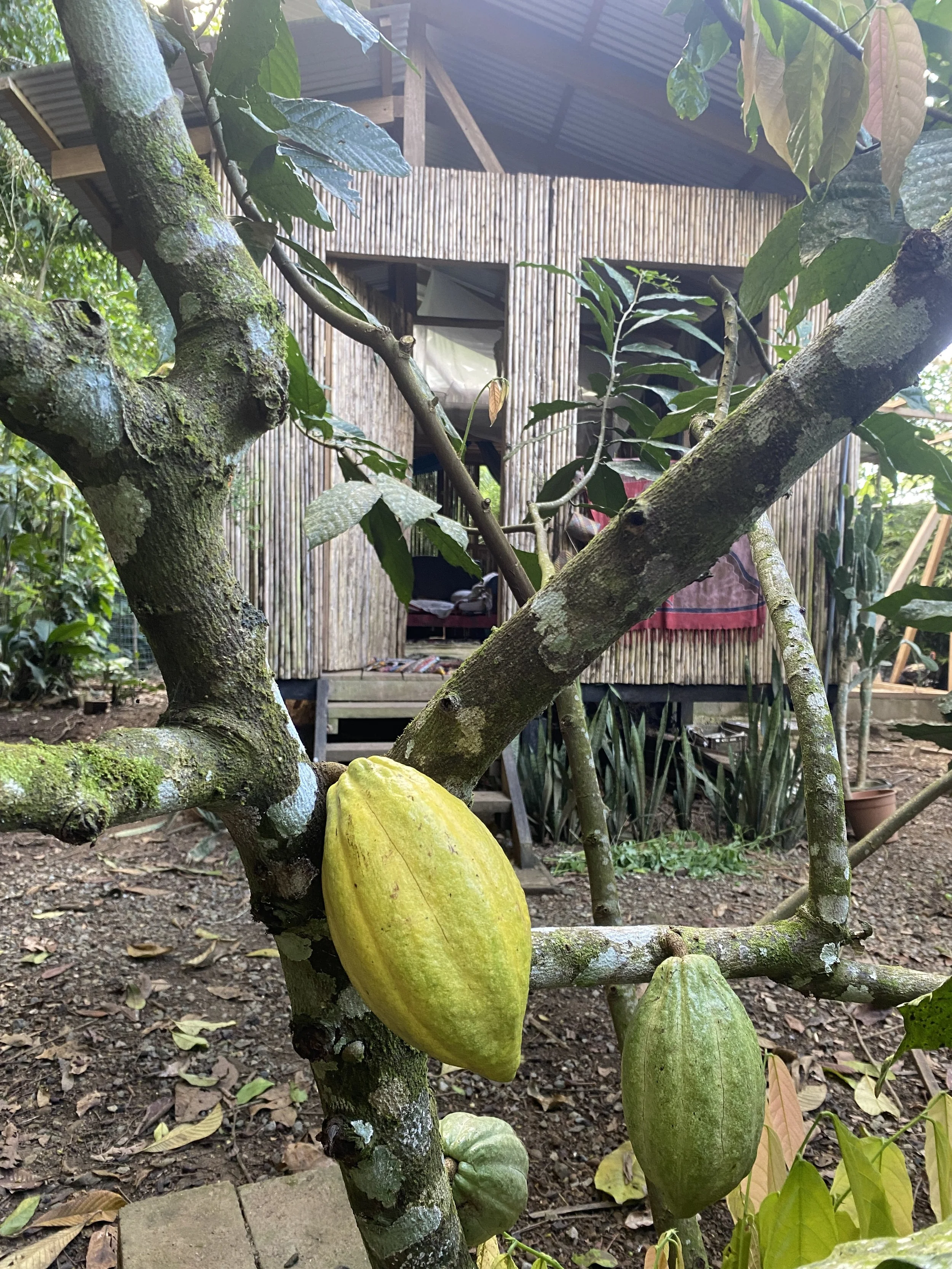
Sustainability Isn't the Problem. The System Is.
For more than twenty years, sustainability has shaped conversations around coffee and chocolate. Yet many farmers still struggle to earn a stable living. What if the challenge isn't sustainability itself, but the system we've built around it?
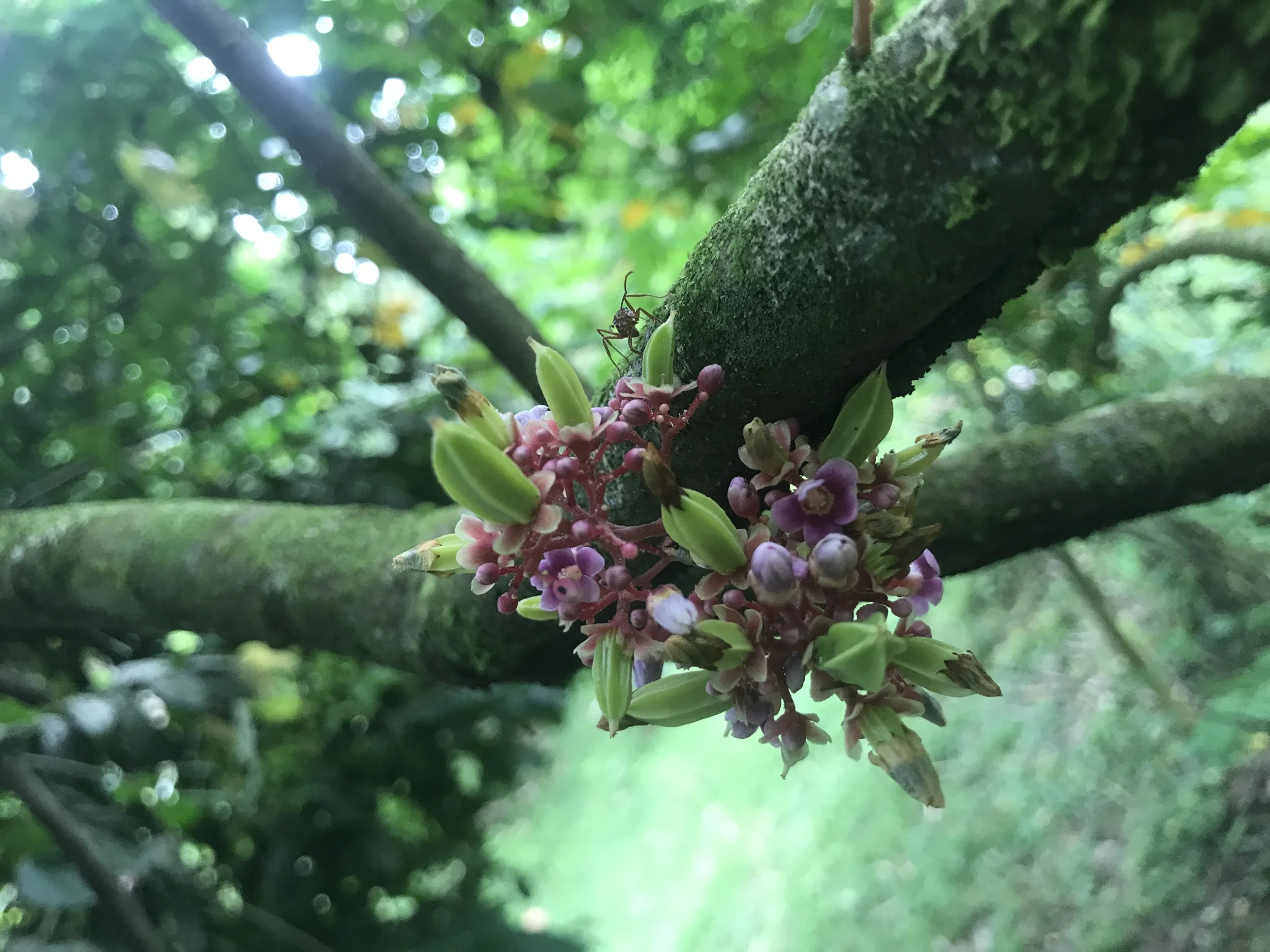
New Research Reveals Hidden Diversity in Peruvian Cacao
A new genetic study has identified four previously unrecognised cacao lineages in Peru, expanding our understanding of one of the world's richest centres of cacao diversity. Here's what the discovery means for farmers, chocolate makers and the future of cacao.
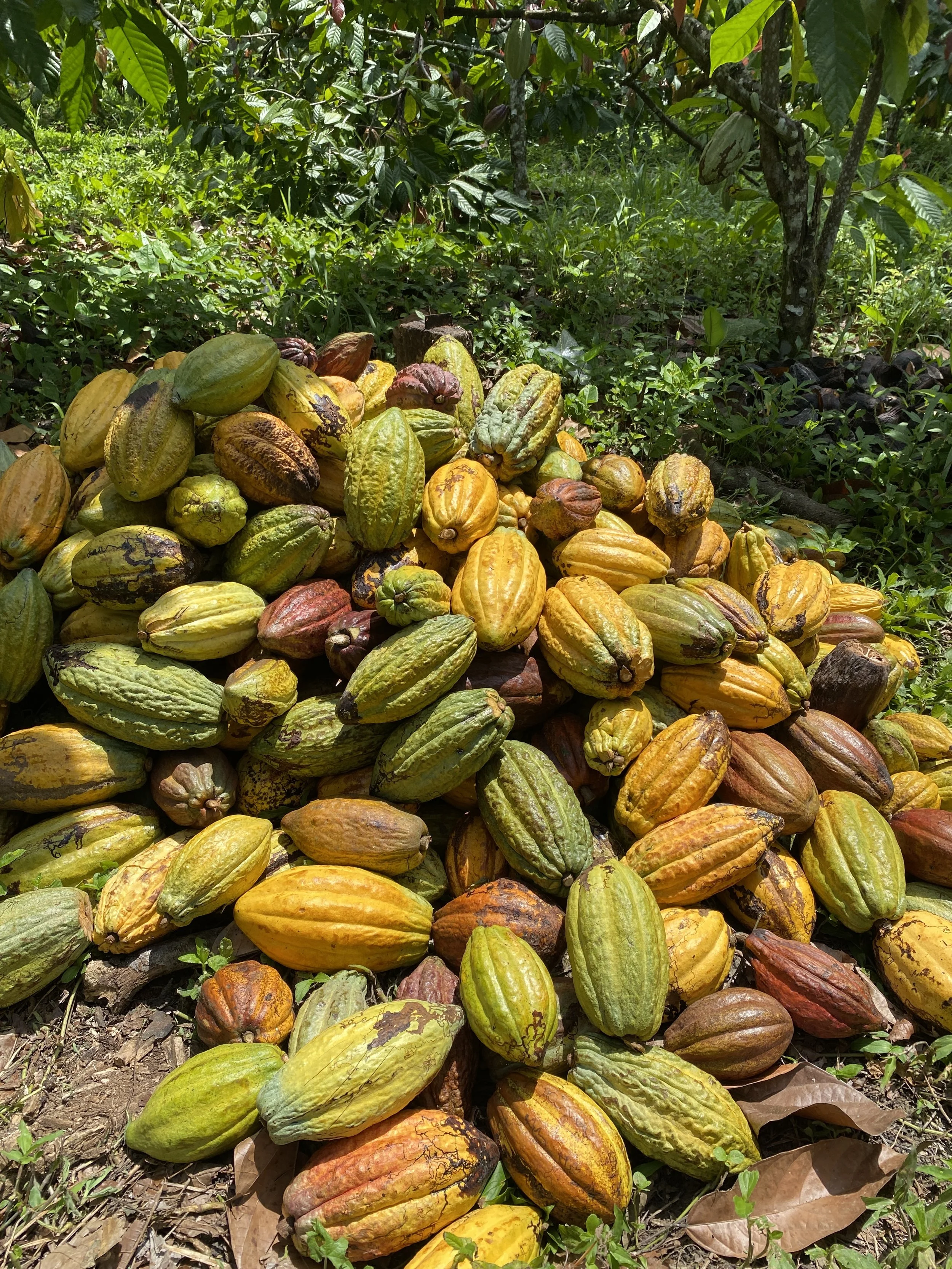
Four New Cacao Varieties Have Been Discovered in Peru. Here's Why That Matters
Researchers in Peru have identified four previously unrecognised cacao lineages, but the real story isn't the discovery itself. It's what it reveals about the extraordinary diversity of cacao and why protecting that diversity matters for the future of chocolate.
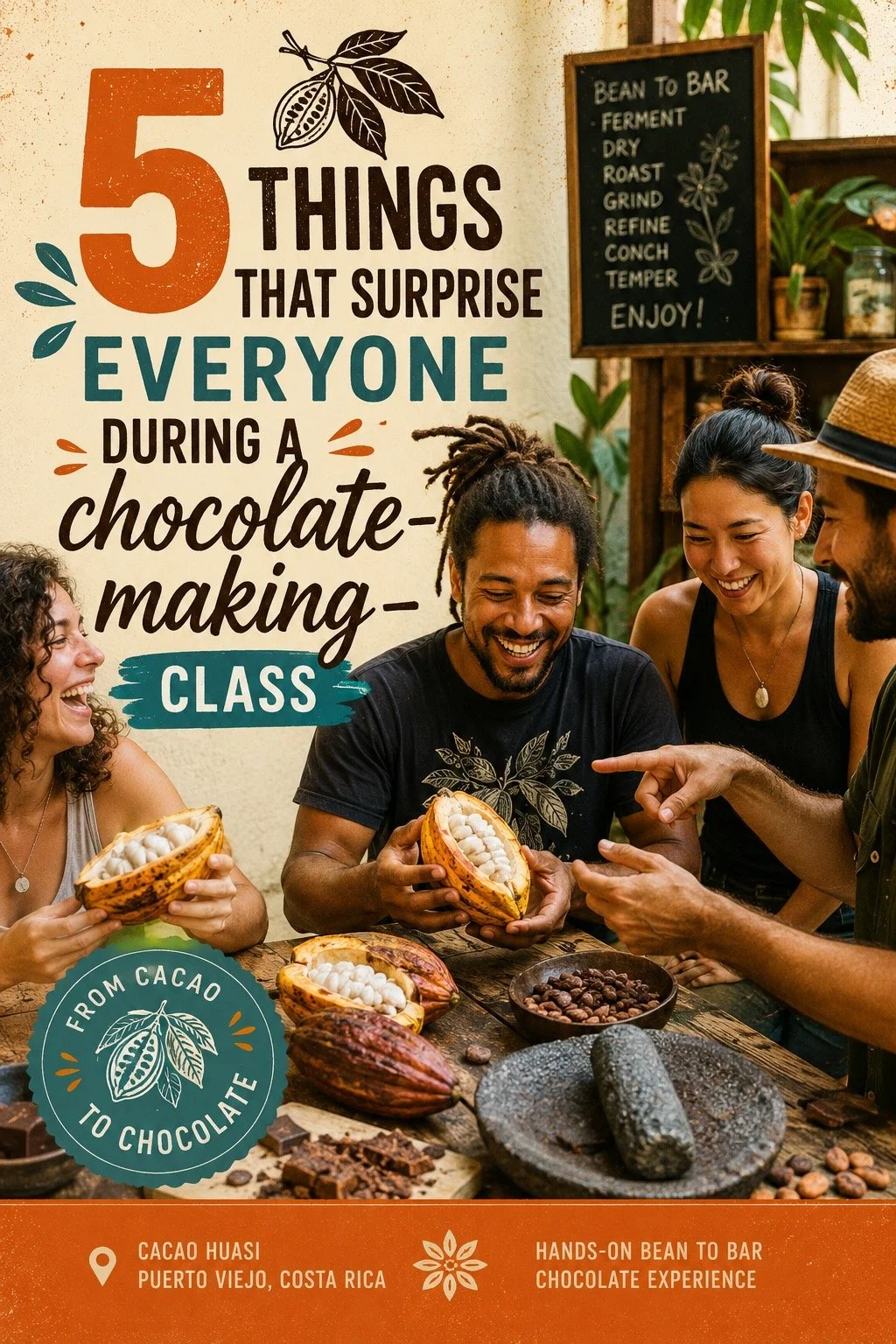
The Five Things That Surprise Almost Everyone At A Chocolate Class
Most people arrive expecting to learn how chocolate is made. They leave with a completely different way of seeing it. Here are the five moments that surprise almost everyone.
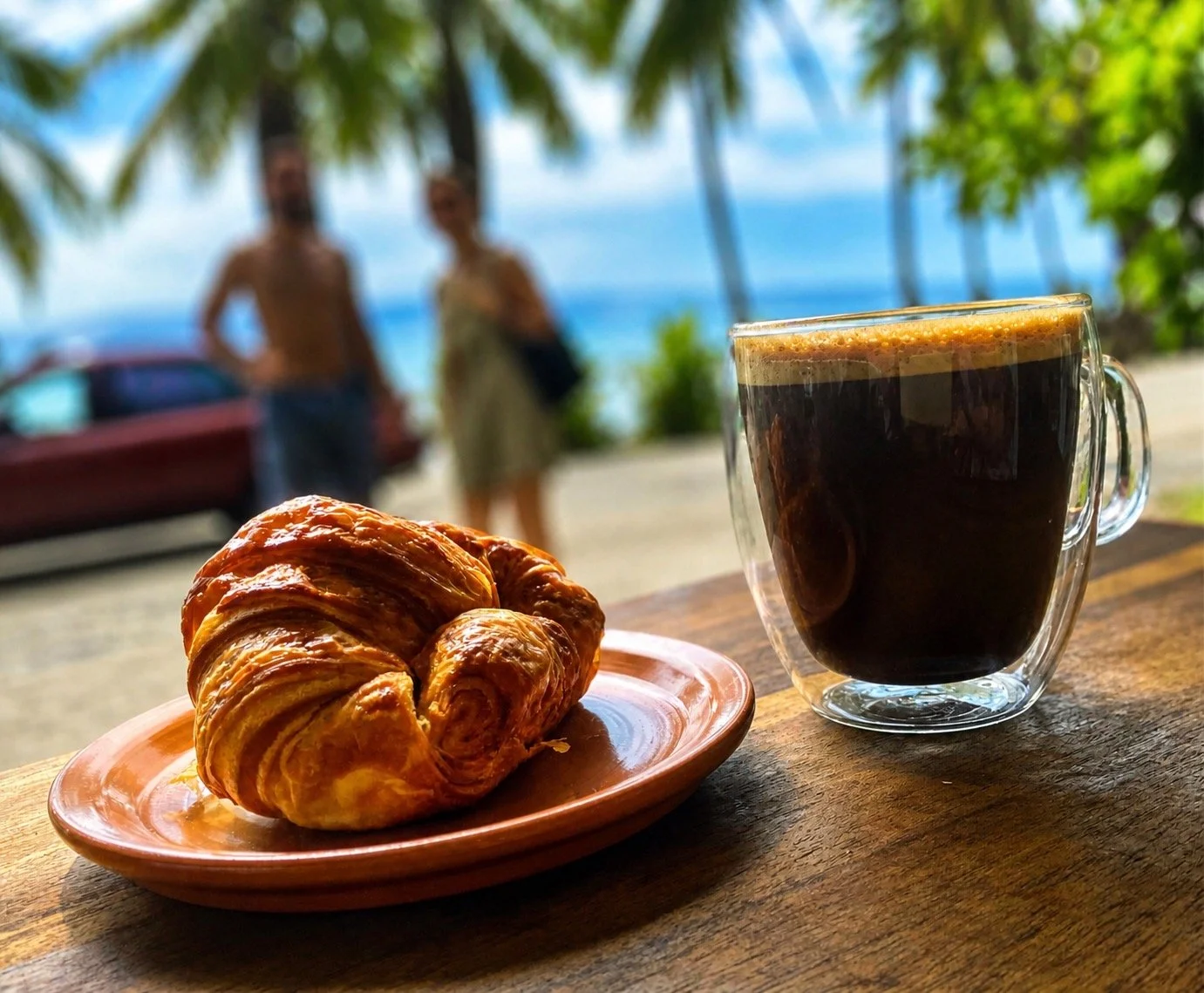
Why Our Hot Chocolate Tastes Different
What makes a truly memorable cup of hot chocolate? Discover how our bean-to-bar chocolate becomes everything from a traditional chocolate de olla to a bold 100% cacao drink, an espresso, an affogato, and more.
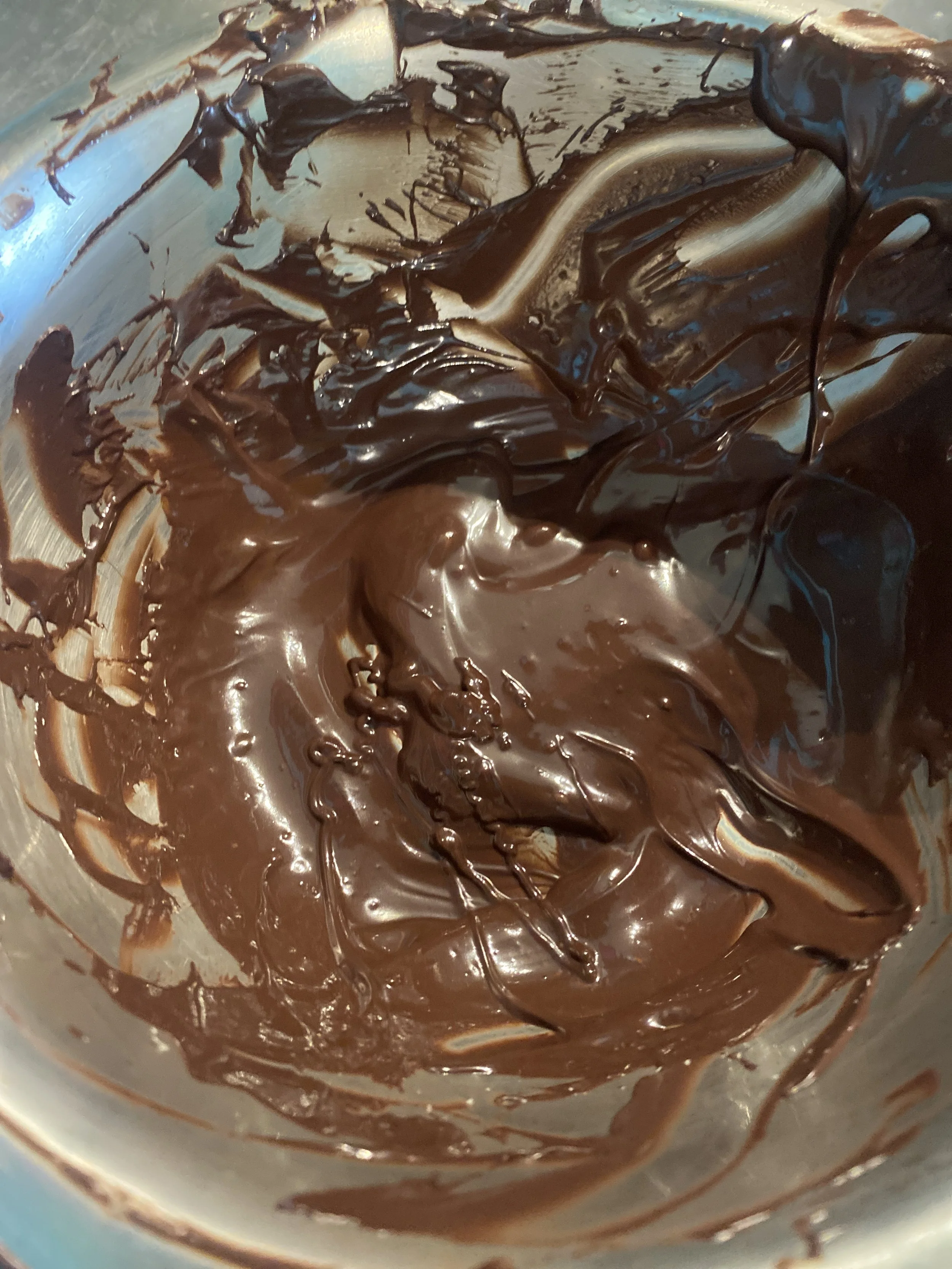
Why we taste chocolate every day
Chocolate makers don't taste chocolate because they're hungry. They taste because every stage of the bean-to-bar process reveals something new.
Don’t Chocolate Makers Compete?
Many people assume chocolate makers compete with one another. In reality, bean-to-bar chocolate is built on curiosity, collaboration, and a shared love of cacao. Discover why every chocolate maker brings a unique perspective to the same remarkable ingredient.
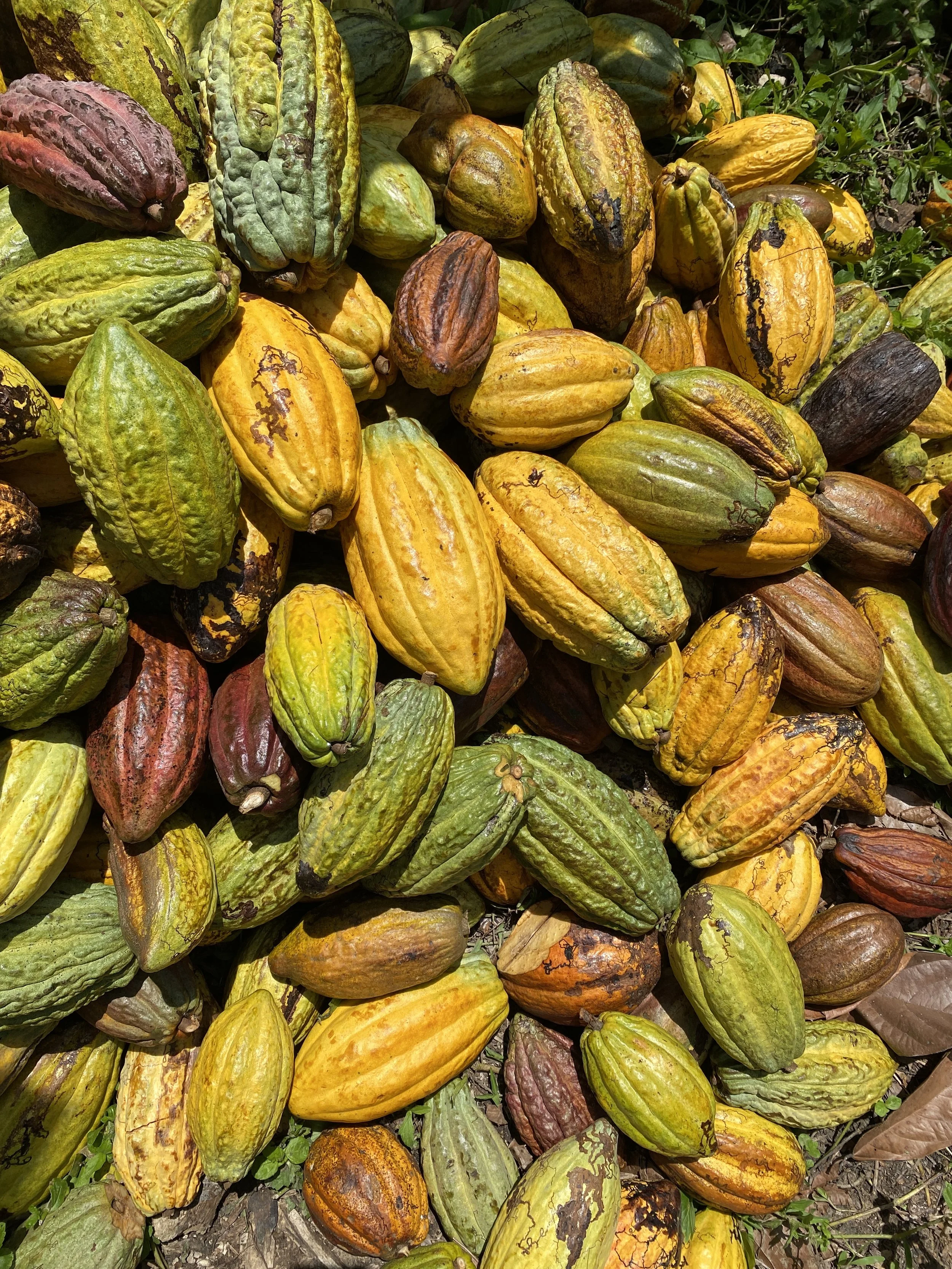
Why People Are Trying to Replace Cacao
Around the world, food companies are searching for alternatives to cacao as climate change, disease, and rising prices reshape the chocolate industry. But beyond the headlines lies a more interesting question: if chocolate flavour can be recreated, what makes cacao truly special? This article explores the industry's search for cocoa alternatives—and why the story of real cacao is about far more than flavour.
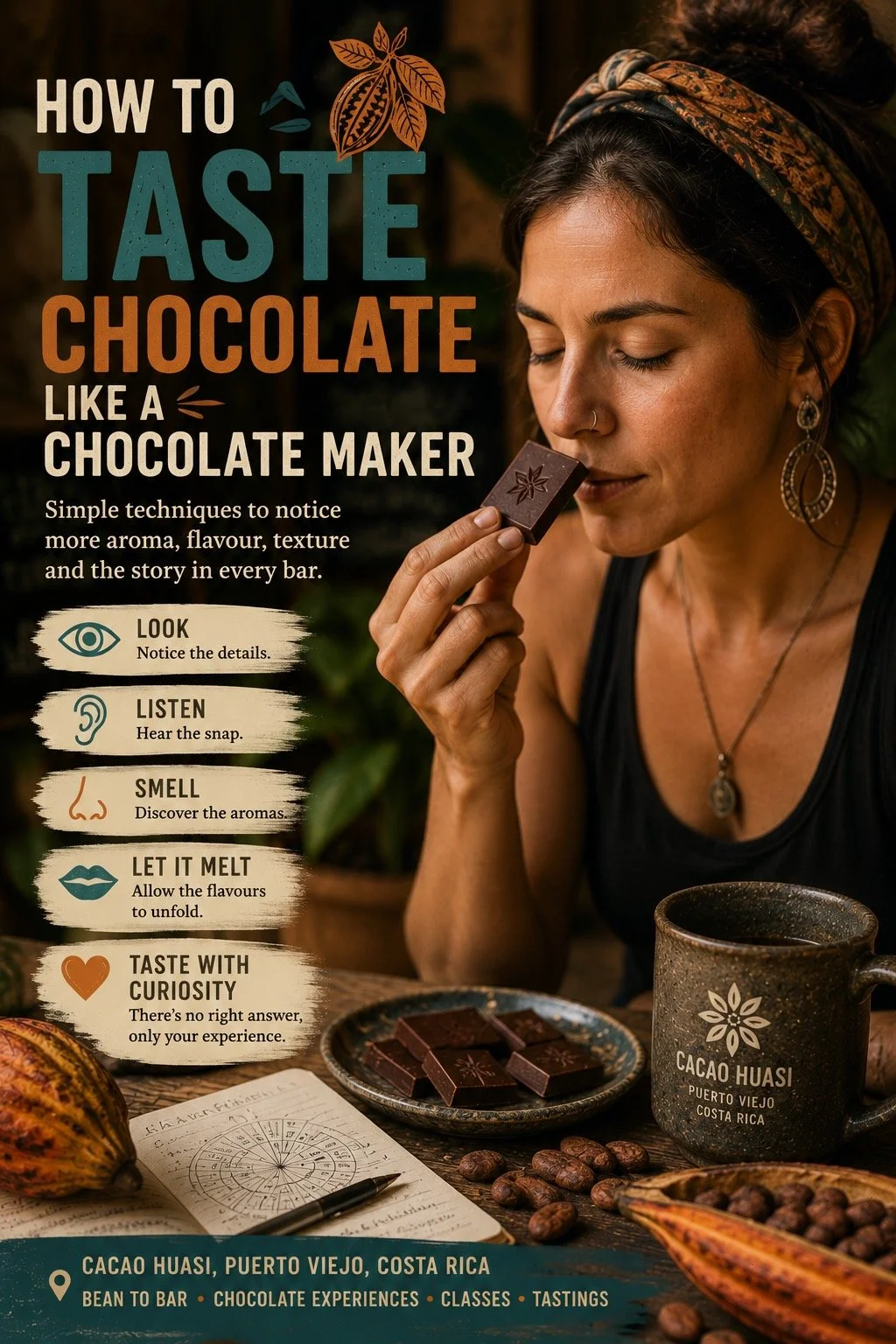
How to Taste Chocolate Like a Chocolate Maker
Good chocolate deserves a little time. Learn the simple tasting techniques chocolate makers use to discover more aroma, flavour, and texture in every bite.
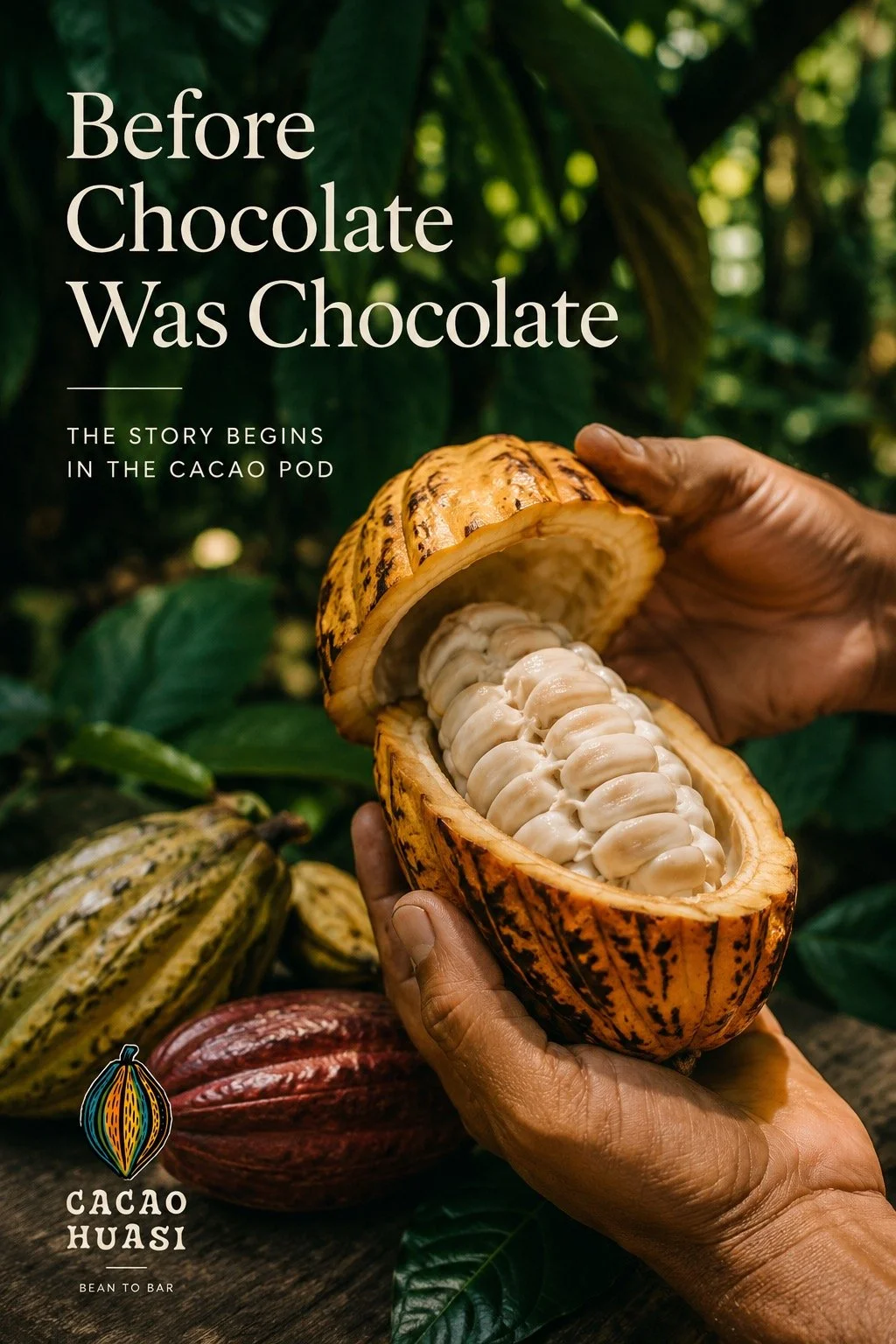
Open a Cacao Pod
Most people know chocolate, but very few have opened a cacao pod. Discover the fruit, the fermentation, and the remarkable journey from tree to chocolate.
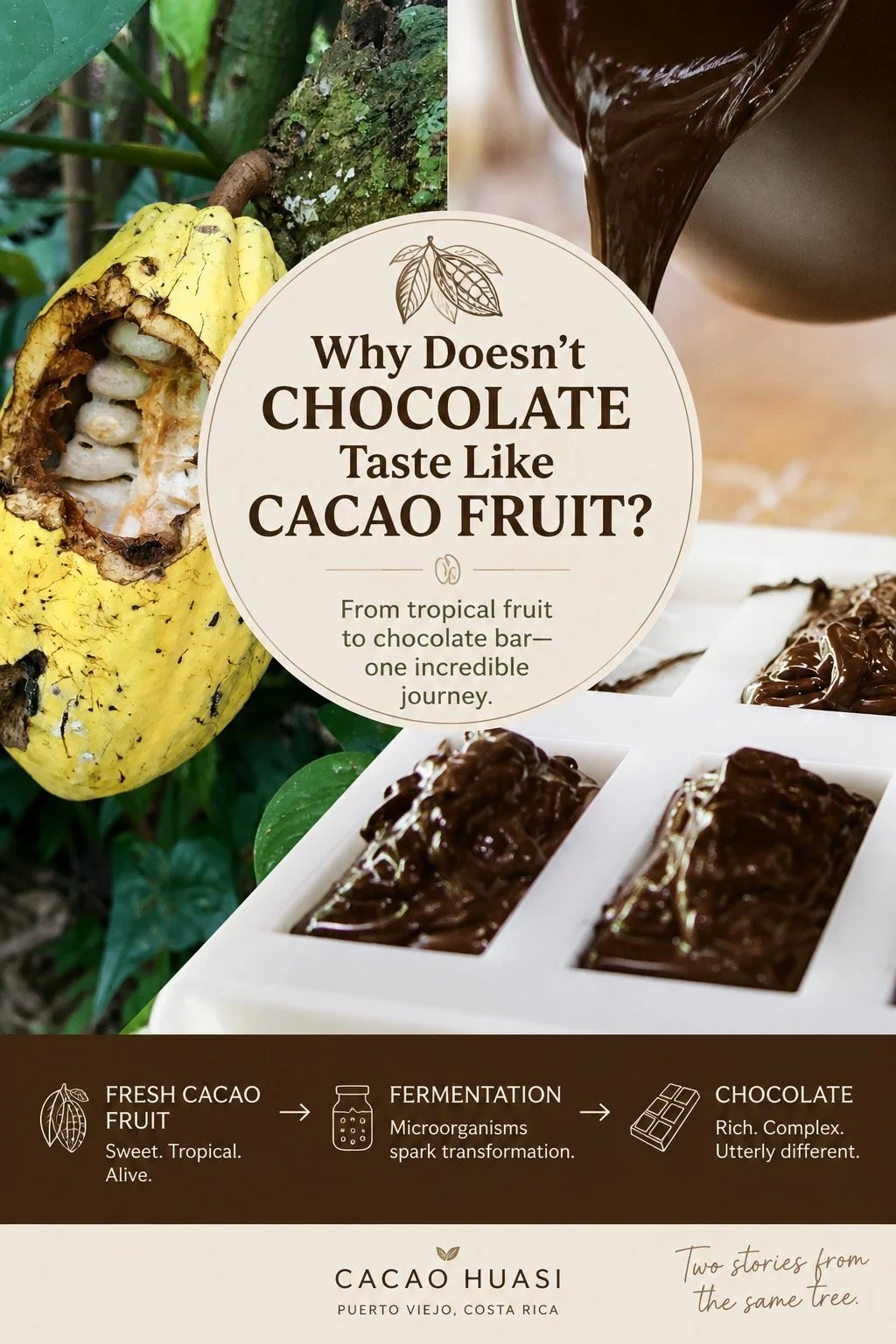
Why Doesn't Chocolate Taste Like Cacao Fruit?
Fresh cacao fruit tastes of pineapple, lychee and tropical flowers, while chocolate tastes rich and familiar. Why are they so different? The answer reveals the remarkable relationship between trees, microorganisms and people.
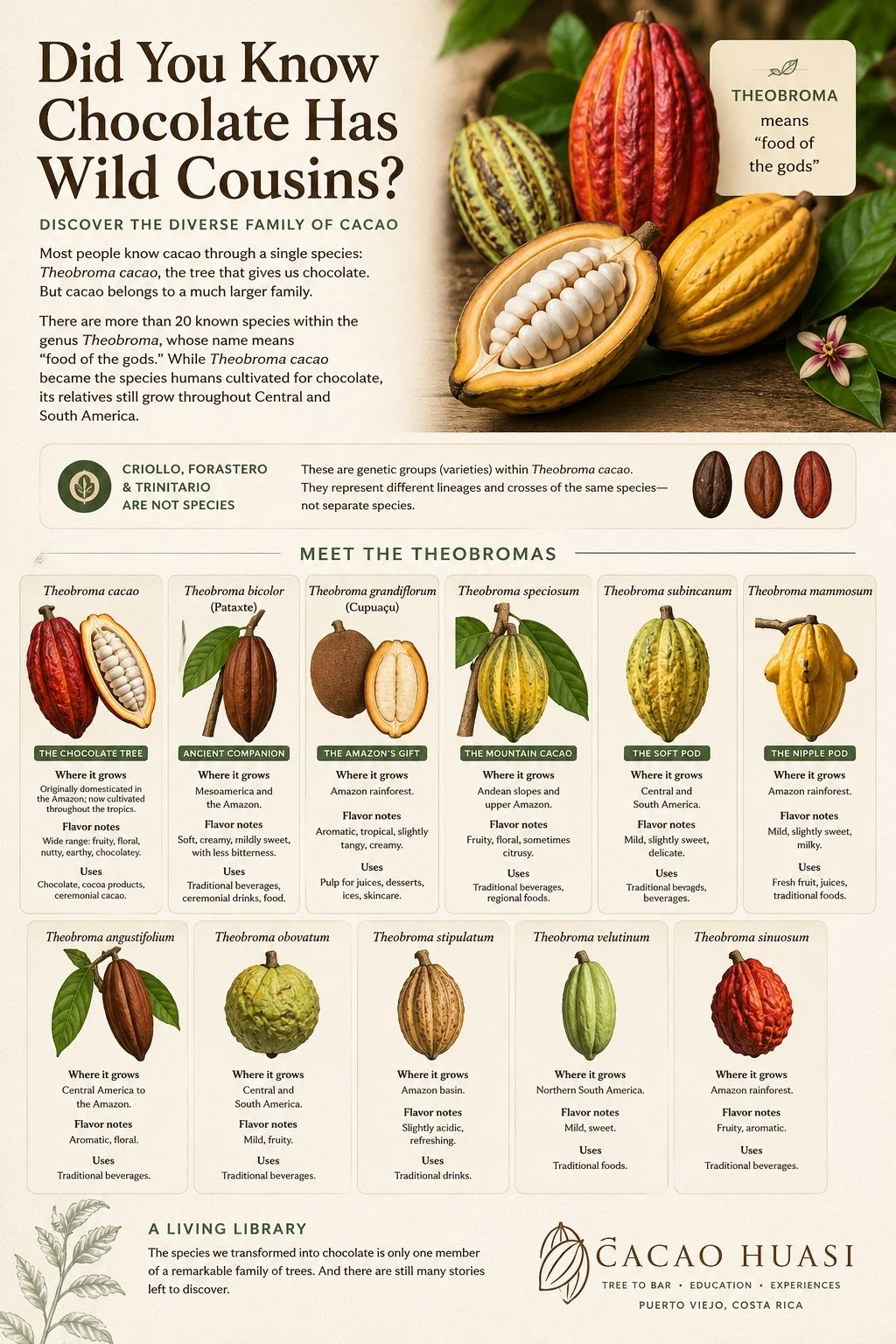
Did You Know Chocolate Has Wild Cousins?
Most people think of cacao as a single plant. But chocolate is only one member of a remarkable family of tropical trees known as Theobroma. Discover pataxte, cupuaçu and the wild cousins that reveal a richer story of cacao.
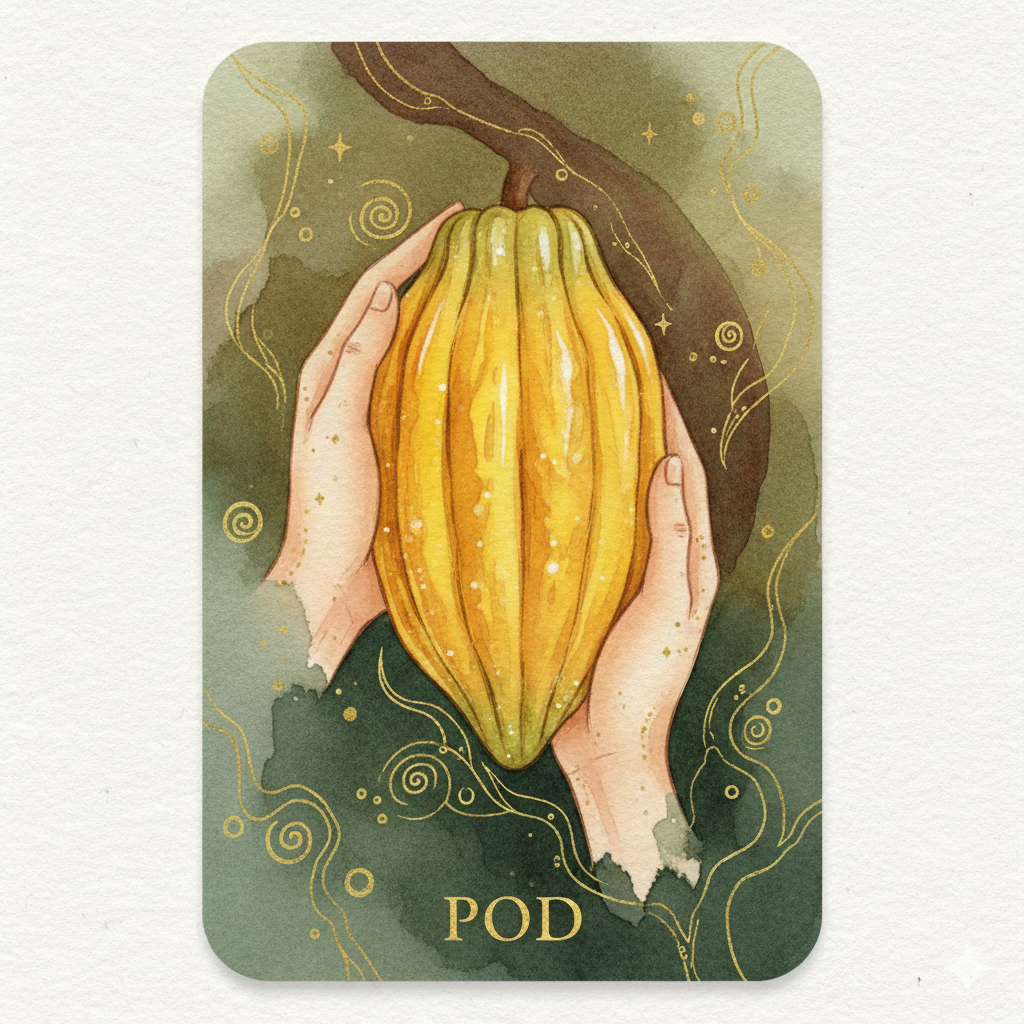
Why Does Chocolate Taste Different Around the World?
Why do some chocolates taste fruity while others are nutty, floral or earthy? Discover how cacao varieties, climate, fermentation and maker decisions shape the flavors we experience in chocolate.
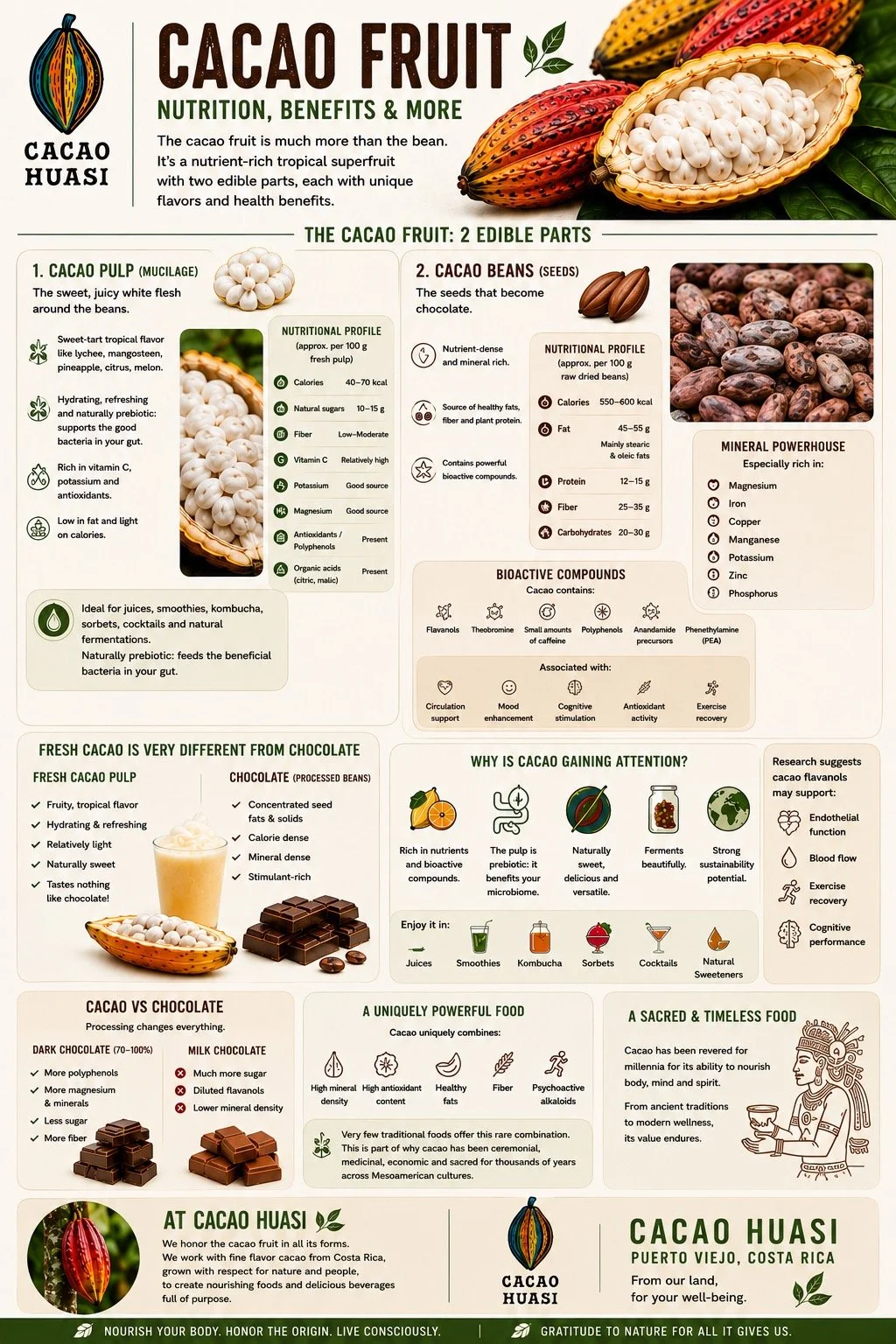
What Does Cacao Fruit Taste Like?
Many people are surprised to learn that chocolate begins inside a fruit. Sweet, floral and unexpectedly tropical, fresh cacao tastes nothing like chocolate. Discover the flavors hidden inside the cacao pod and how they shape the chocolate we know today.
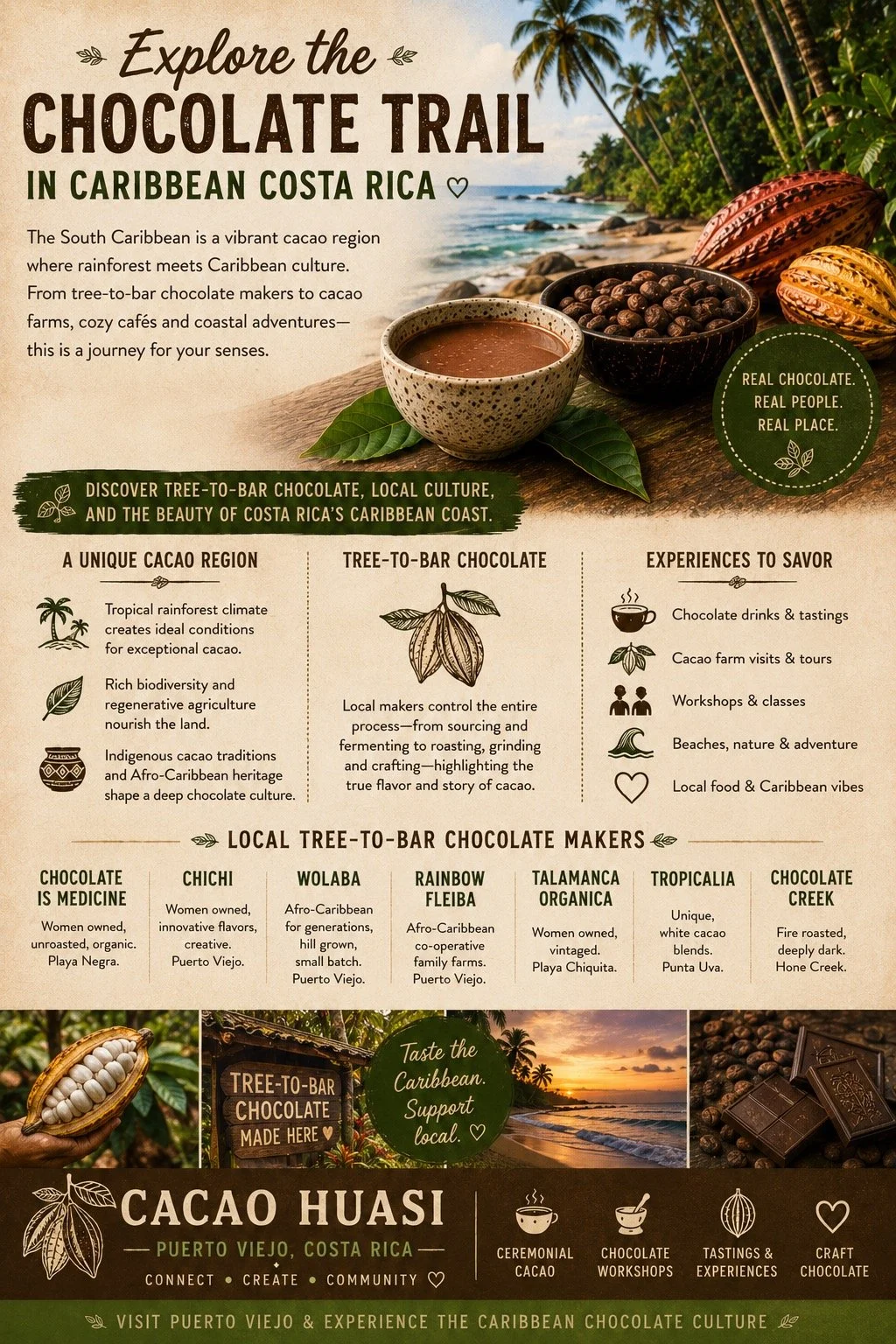
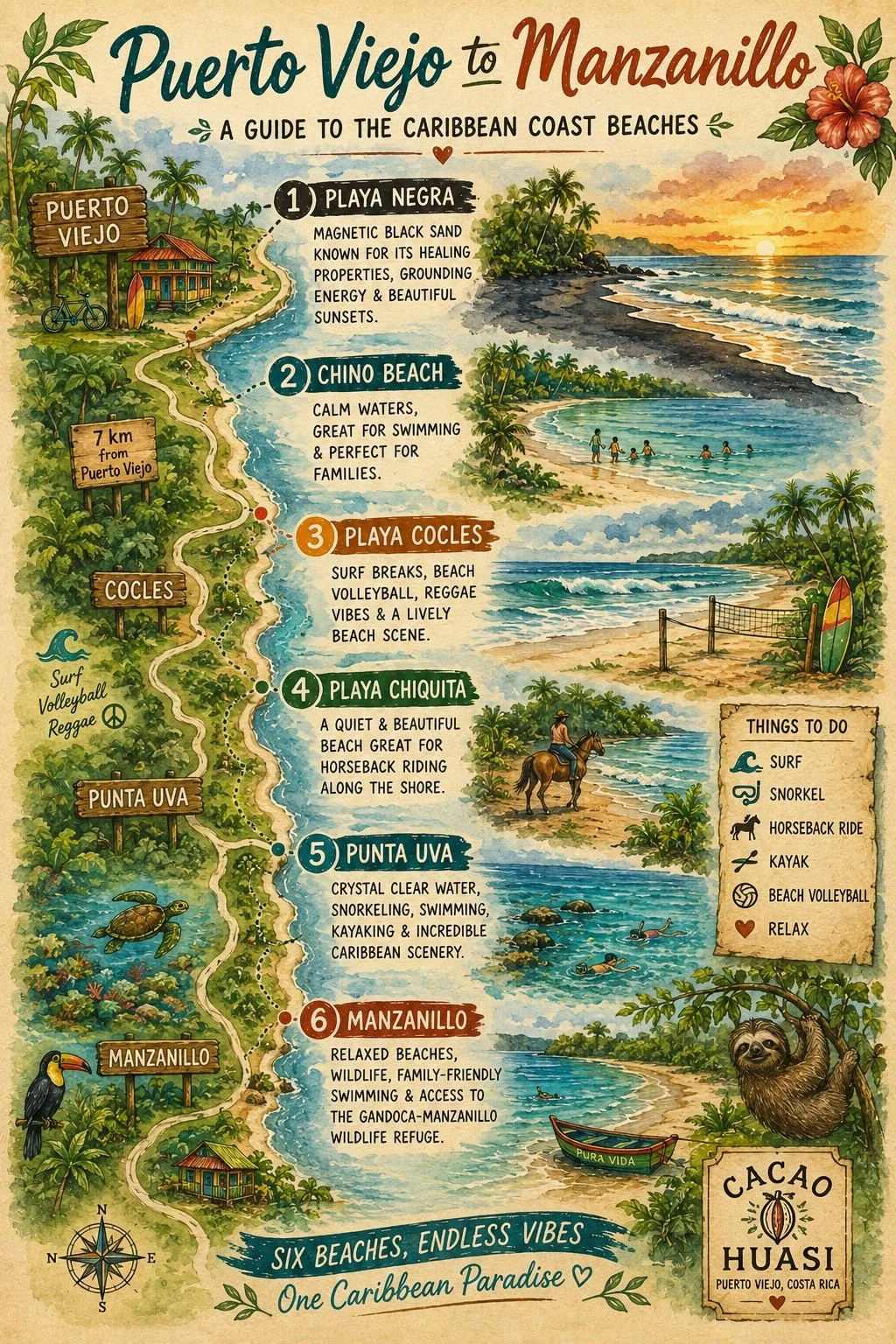
A Chocolate Lover’s Guide to Puerto Viejo, Costa Rica
Most people come to Puerto Viejo for the beaches. Chocolate lovers soon discover something else: a thriving cacao culture woven into the landscape. From fresh cacao fruit and tree-to-bar makers to fermentation, tastings, and hands-on chocolate experiences, here's your guide to exploring the cacao side of Costa Rica's Caribbean coast.
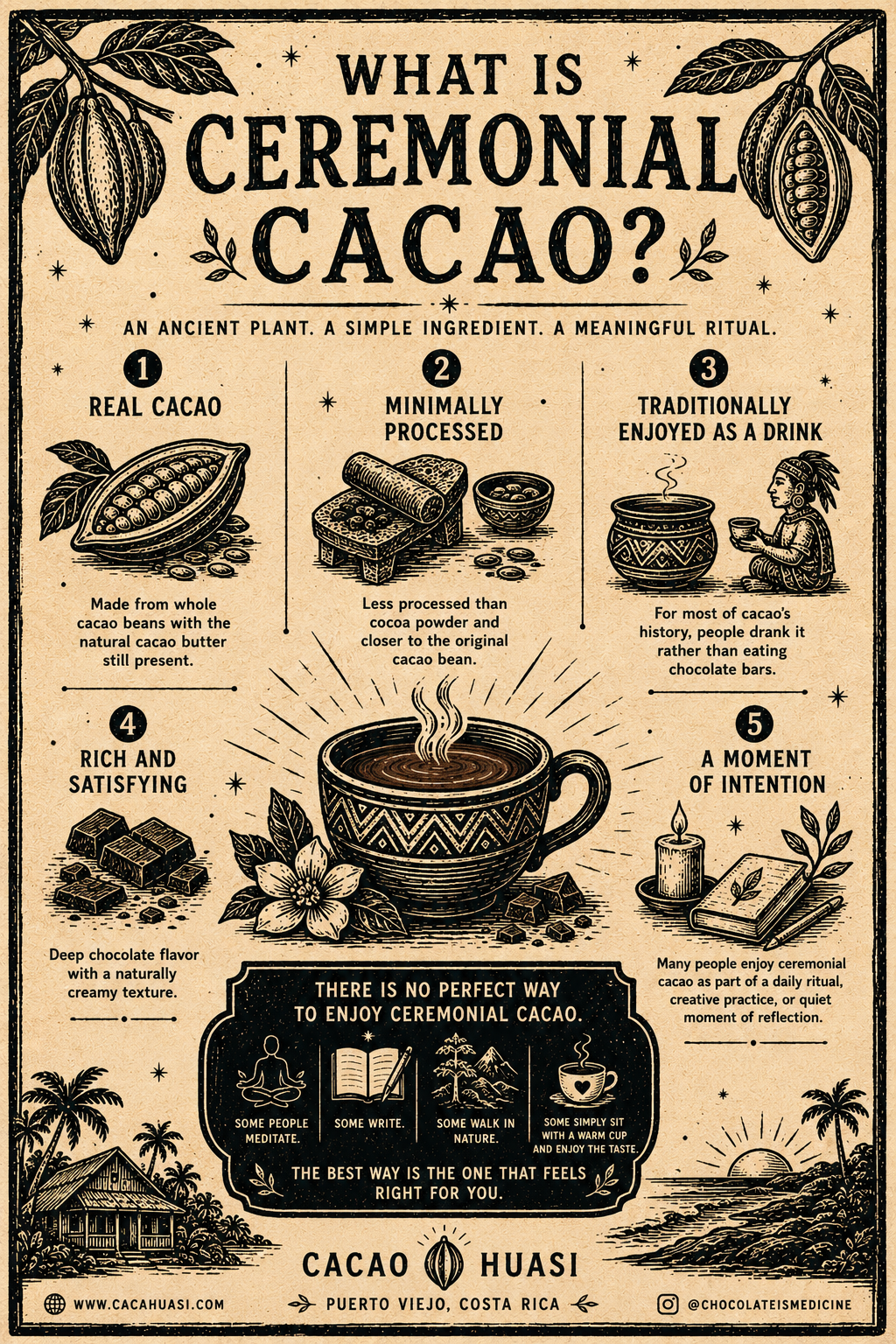
What is Ceremonial Cacao?
Ceremonial cacao can sound mysterious at first, but at its heart she is something wonderfully simple: real cacao prepared as a drink and enjoyed with a little more attention. Whether you drink her as part of a morning ritual, a creative practice, or simply because you love the taste, ceremonial cacao offers a gentle invitation to slow down and reconnect with yourself.
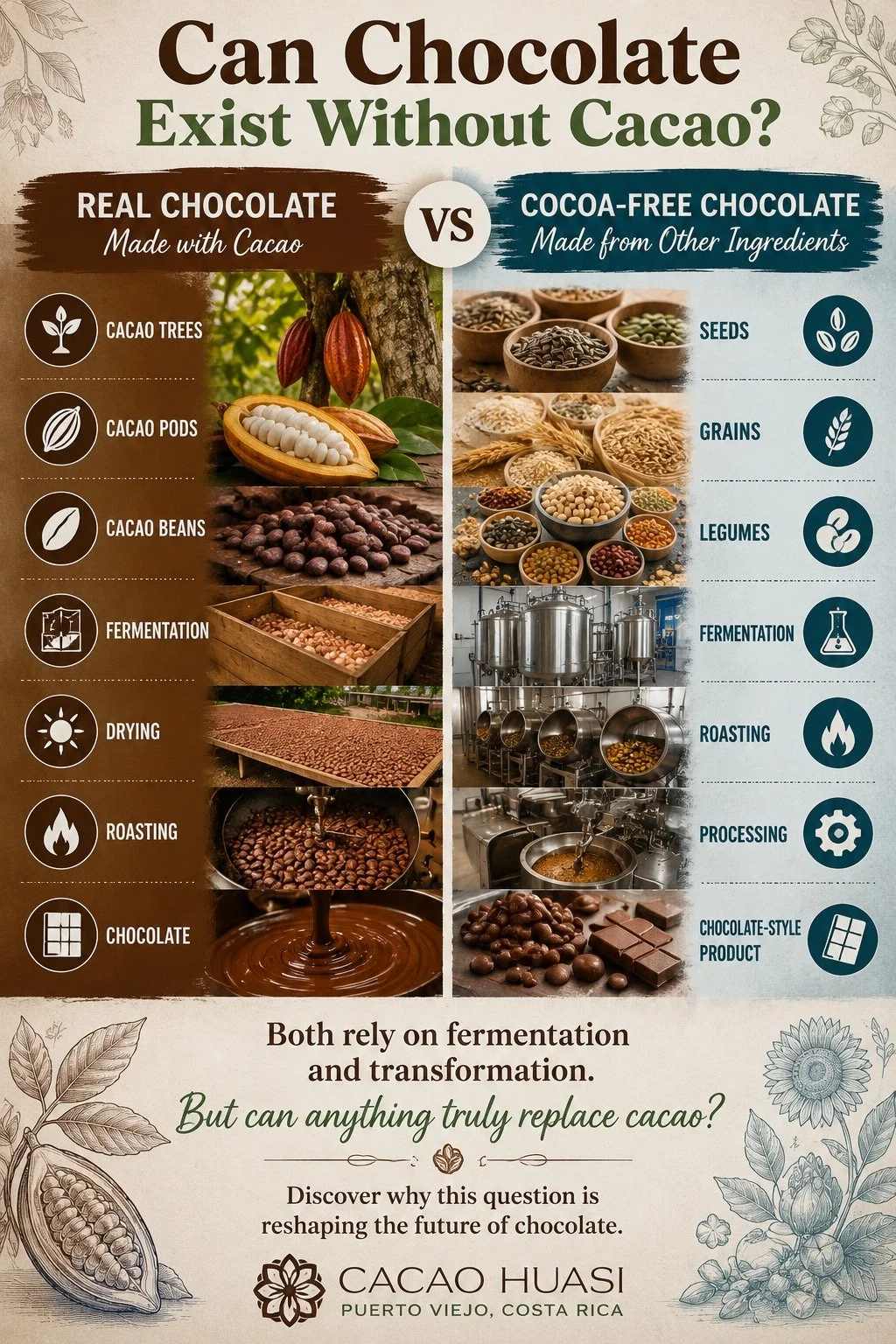
Can Chocolate Exist Without Cacao?
Can chocolate exist without cacao? As cocoa-free chocolate alternatives begin appearing around the world, it's a question more people are asking. While science can recreate some of the flavors we associate with chocolate, cacao is more than a collection of flavor compounds. It's a fruit, a tradition, a livelihood, and one of the most diverse ingredients in the food world. Let's explore what makes chocolate taste like chocolate—and what makes real cacao impossible to fully replace.